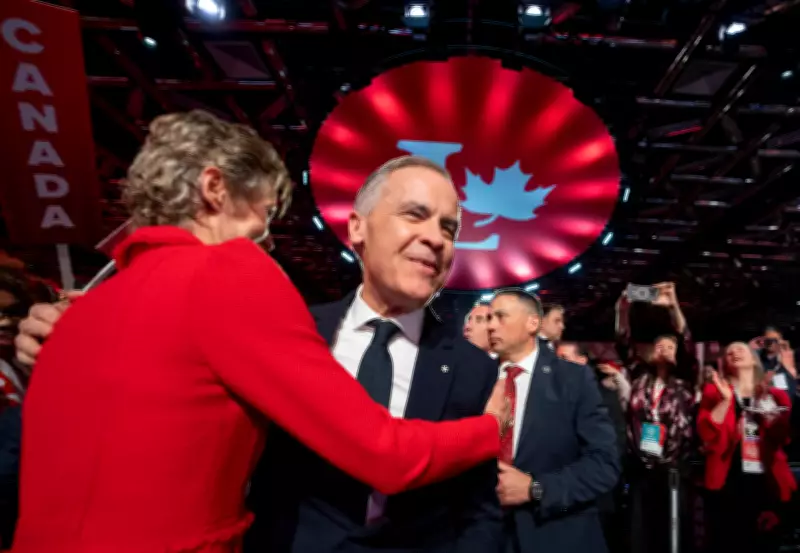
In a dramatic political development, the Liberal Party under Prime Minister Mark Carney stands on the verge of forming a majority government, potentially reshaping Canada's political landscape. This milestone comes just one year after the last election, highlighting a rapid consolidation of power that could have far-reaching implications for policy and governance.
A Year of Strategic Gains
Since taking office, Carney has focused on fostering party unity and articulating a clear vision for the nation. At a recent Liberal convention, he emphasized the need for cohesion, urging members to stay united behind what he termed "immutable" Liberal principles. His address outlined ambitious plans to build a "Canada strong," resonating with voters and bolstering support across key demographics.
Factors Behind the Surge
Several elements have contributed to the Liberals' ascent. Carney's economic background and steady leadership have appealed to centrist voters, while strategic policy announcements have galvanized the party base. Additionally, internal divisions within opposition parties, such as the Conservatives' leadership challenges—exemplified by hopeful Milobar changing campaign managers after an investigation—have created openings for Liberal gains.

Public opinion has shifted in favor of the Liberals, with many Canadians responding positively to Carney's message of stability and progress. This sentiment is reflected in recent polls and political analyses, suggesting a growing appetite for a majority government that can implement long-term initiatives without the constraints of a minority parliament.
Implications of a Majority
A Liberal majority would enable Carney to pursue his agenda more aggressively, including potential reforms in areas like healthcare, climate change, and economic policy. With a solidified mandate, the government could accelerate legislation and reduce reliance on opposition support, leading to more decisive action on national issues.
However, this shift also brings heightened scrutiny. Critics argue that a majority might reduce accountability, while supporters contend it will foster efficiency and clarity in governance. The outcome will depend on how Carney navigates the balance between unity and inclusivity, as highlighted by Liberal MP MacKinnon's remark about keeping "a light on and a door open" for all who support core principles.
Looking Ahead
As the political landscape evolves, the Liberals' potential majority underscores a pivotal moment in Canadian politics. Carney's ability to maintain party cohesion and deliver on promises will be crucial in sustaining this momentum. With the next election cycle still years away, this development sets the stage for a transformative period in federal governance, where the Liberals aim to leave a lasting imprint on the nation's future.