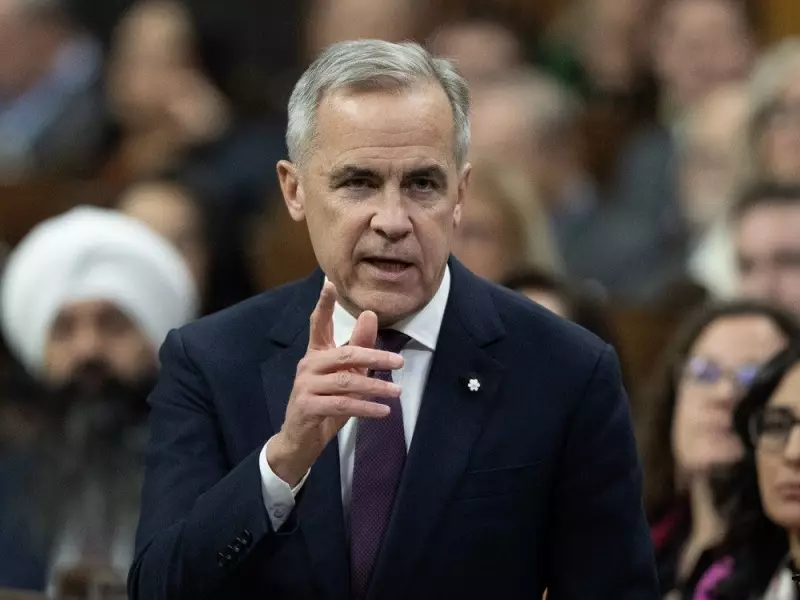
In a dramatic week on Parliament Hill, Prime Minister Mark Carney's minority Liberal government has narrowly avoided being toppled for the fourth time in under two weeks, surviving a crucial confidence vote that could have plunged Canadians into a snap holiday season election.
A Tense Political Week in Ottawa
The House of Commons voted Tuesday on a ways and means motion to introduce the Budget Implementation Act I, legislation designed to enact measures from the November 4 budget. Unlike Monday's nail-biter vote that ended 170-168, Tuesday's proceedings concluded with MPs agreeing to carry the motion "on division" - meaning while not unanimous, no formal vote was required to determine the outcome.
Finance Minister François-Philippe Champagne's spokesperson, John Fragos, outlined the bill's contents in a written statement, noting it includes tax-related and non-tax measures focusing on government priorities like Build Canada Homes, Clean Electricity Investment Tax Credits, Productivity Super-Deductions, and modernizations to financial sectors.

Why This Vote Mattered
Because the motion dealt with budgetary matters, it automatically qualified as a confidence vote for Carney's government. Defeat would have forced either resignation or dissolution of Parliament, sending Canadians back to the polls barely months after the last election.
The 600-page legislation, tabled after the motion passed, will now undergo debate in the House and finance committee in coming days and weeks. This development effectively ends a period of high-stakes political drama in Ottawa that threatened to disrupt holiday plans across the political spectrum.
Opposition Reaction and Concerns
Bloc Québécois Leader Yves-François Blanchet, whose party unanimously opposed Monday's main budget motion, expressed cautious optimism that the budget bill could be amended to gain his party's eventual support. Blanchet noted personal relief at being able to attend Christmas family gatherings rather than campaign door-to-door.
However, the opposition leader delivered a pointed critique of Liberal minority management, stating their approach is "not sustainable" for long-term governance. This sentiment echoes growing concerns about the stability of the current parliamentary arrangement.
The political tension peaked Monday evening when Canadians watched breathlessly as the Bloc, along with nearly all Conservatives and New Democrats, voted against the main budget motion. The opposition parties, commanding a majority of votes, possessed the power to defeat the government.
The motion ultimately passed thanks to Green Party Leader Elizabeth May's last-minute support after Prime Minister Carney committed to respecting the Paris Accord, combined with four abstentions - two from Conservative MPs and two from NDP MPs.