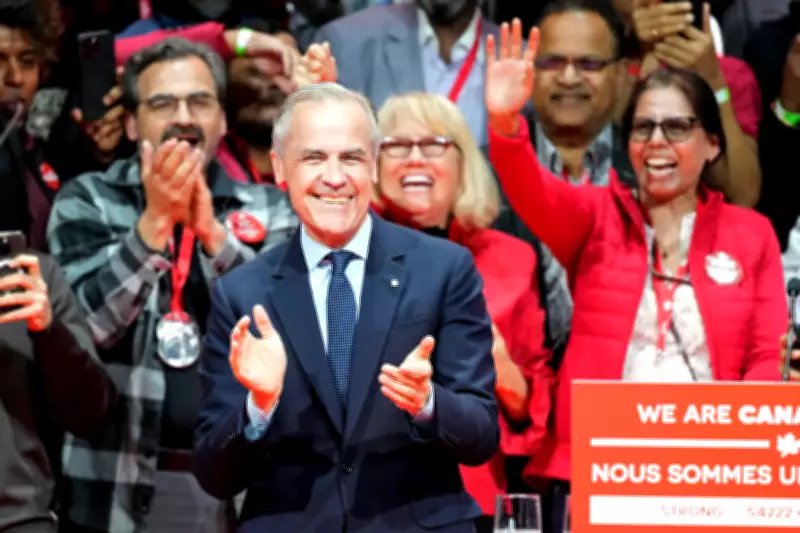
Liberals Clinch Fourth Consecutive Mandate as Carney Leads Party to Minority Victory
In a pivotal federal election, Canadian voters have granted the Liberal Party a fourth consecutive mandate, albeit with a minority government. The party, now under the leadership of former Bank of Canada governor Mark Carney, secured enough seats to form a government but fell short of a majority, setting the stage for a period of parliamentary cooperation and potential instability.
Carney's Vision for a United Canada
In his victory speech, Prime Minister-designate Mark Carney struck a conciliatory tone, emphasizing unity and collaboration. "Our government will work for and with everyone in Canada," Carney declared, acknowledging the divided political landscape. He outlined key priorities including economic stability, healthcare improvements, and climate action, while pledging to engage constructively with opposition parties to advance legislative agendas.
Conservative Response and Internal Challenges
Conservative leader Pierre Poilievre addressed supporters, conceding defeat but vowing to continue advocating for change. "Change will take time, but we will fight for that change," Poilievre stated, reflecting on the party's performance. Political analysts have noted internal fractures within the Conservative Party, with some describing it as "a fragile party" following Poilievre's speech, which came as his own seat was reportedly in jeopardy during the election count.

NDP Leadership Transition Amid Election Fallout
In a significant development, NDP leader Jagmeet Singh announced his intention to step down following the election results. "We're only defeated if we stop fighting," Singh told supporters, indicating he would remain in politics but not as party leader. This resignation marks a major shift for the New Democratic Party, which will now embark on a leadership contest to determine its future direction and role in the minority parliament.
Broader Political and Social Context
The election outcome occurs against a backdrop of diverse national issues highlighted during the campaign period:
- Economic Concerns: Discussions around job creation, with Ontario Premier Doug Ford emphasizing focus on "jobs of the future" over traditional courses.
- Provincial Dynamics: Alberta Premier Danielle Smith warned of looming deficits, while Saskatchewan faced criticism over emergency room wait times.
- Social Policies: Debates on housing development limits and accessibility concerns in public spaces emerged in municipal contexts.
- Environmental and Health Issues: From wildfire preparedness investments to flu and COVID-19 trends, these topics influenced voter priorities.
As Canada navigates this new political chapter, the minority government under Carney's leadership will require adept negotiation and coalition-building to implement its agenda. The resignation of Jagmeet Singh adds an element of uncertainty to opposition dynamics, while the Conservatives regroup under Poilievre. This election reaffirms Canada's competitive multiparty system and sets the stage for potentially transformative policies in the coming parliamentary session.