MacKinnon Defends Liberal Seizure of House Committee Control
Government House Leader Steven MacKinnon has publicly defended the Liberal government's controversial motion to seize control of parliamentary committees in the House of Commons. This move, which passed on April 21, 2026, represents a significant shift in parliamentary dynamics, granting the governing party direct authority over committee operations traditionally managed through consensus or opposition influence.
Justification for Unprecedented Action
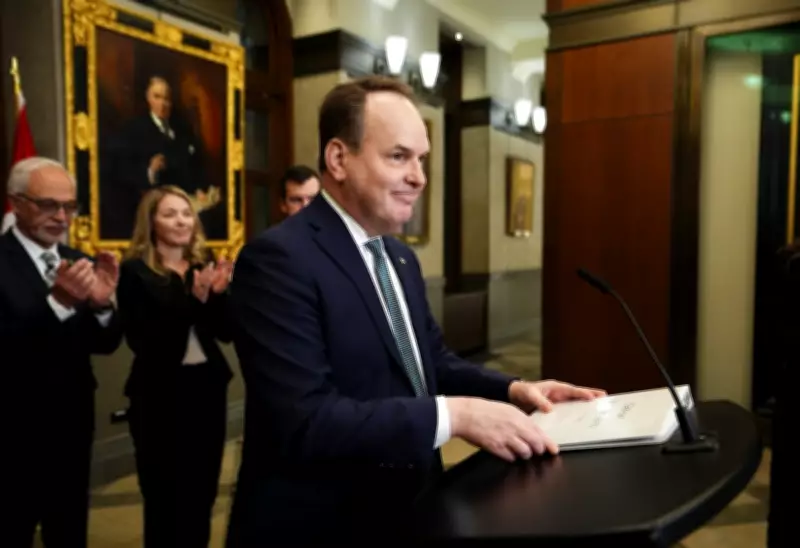
During a press conference held in the foyer of the House of Commons on Parliament Hill in Ottawa, MacKinnon argued that the decision was necessary due to persistent obstructionism by opposition parties. "We have reached a point where committees are being weaponized for political delay rather than serving their intended purpose of legislative review and oversight," MacKinnon stated. He emphasized that the Liberal government remains committed to democratic processes but requires functional committees to advance its agenda effectively.
Background and Implementation
The motion allows the government to:

- Appoint committee chairs directly
- Control meeting schedules and agendas
- Limit opposition-led studies and investigations
- Expedite legislation through committee stages
This development follows months of reported gridlock in committees where opposition members allegedly used procedural tactics to stall government bills and launch numerous studies on non-priority matters. MacKinnon cited specific examples where committees spent weeks debating minor amendments while urgent legislation awaited review.
Political Reactions and Implications
Opposition parties have condemned the move as an "undemocratic power grab" that undermines parliamentary traditions. Critics argue that committees serve as crucial checks on executive power, and government control eliminates meaningful oversight. However, MacKinnon countered that the government's majority mandate from the 2025 election justifies this approach to ensure legislative efficiency.
The long-term implications could reshape how Parliament operates, potentially centralizing power within the governing party while reducing opposition influence on policy development. Political analysts suggest this may set a precedent for future governments facing similar parliamentary challenges.
Context of Parliamentary Dynamics
This action occurs within a broader political landscape where Prime Minister Mark Carney's majority government is pursuing ambitious legislative goals, including potential trade agreements with the United States and industrial carbon pricing arrangements with provinces like Alberta. The committee control measure appears designed to remove procedural hurdles that could delay these initiatives.
MacKinnon concluded his defense by asserting that the government remains open to constructive opposition input but will not allow procedural tactics to paralyze parliamentary functions. "Our responsibility is to govern effectively, and sometimes that requires adjusting parliamentary tools to meet current challenges," he stated.