Trump Confronts MAGA Revolt Over Iran Military Action
In a surprising turn of events, President Donald Trump is facing public dissent from key conservative figures and MAGA influencers who have traditionally supported his policies, particularly over the recent war with Iran. This internal conflict has triggered forceful responses from the Trump administration, highlighting growing fractures within the Republican base.
High-Profile Critics Voice Concerns
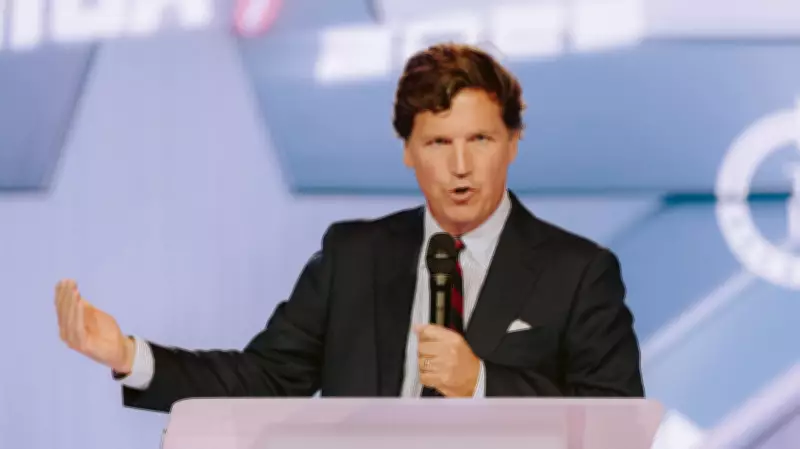
Influential right-wing voices, including Tucker Carlson, Matt Walsh, Megyn Kelly, and former congresswoman Marjorie Taylor Greene, have openly criticized the war or pointed out inconsistencies in the president's justifications. Carlson described the conflict as "absolutely disgusting and evil," warning that Trump risks alienating his most loyal supporters. Sean Davis, CEO of The Federalist, a news outlet generally favorable to Trump, expressed confusion over the war's objectives, questioning whether the aim is to liberate Iranians, dismantle nuclear capabilities, or counter regional influence.
Davis emphasized on social media, "The lack of any coherent message seems to suggest the lack of any coherent objective." Similarly, Walsh highlighted contradictions in administration statements, noting, "So far we've heard that although we killed the whole Iranian regime, this was not a regime change war. And although we obliterated their nuclear program, we had to do this because of their nuclear program."

Republican Lawmakers Acknowledge Valid Criticisms
Elected Republicans have taken note of these criticisms, with some acknowledging their reasonableness despite ultimately supporting the war. Senator Thom Tillis (R-N.C.) observed, "The president did a masterful job of creating an eclectic coalition, but I can see where this is a wedge for some of them." Senator John Kennedy (R-La.) added, "They don't want another Iraq. Nor do I. I don't think that's where we're headed. But I see their point of view, and it's a valid point of view."
However, when asked if Trump had adequately explained the war's reasons, Senator Roger Wicker (R-Miss.), chairman of the Senate Armed Services Committee, remained silent. In contrast, most Republicans defended the administration, with Senator Bernie Moreno (R-Ohio) stating, "It's been explained for 47 years, hasn't it? No regime has killed more Americans than the regime that we've now wiped out. The predicate for action has been pretty clear: They can't have a nuclear weapon."
White House Responds Aggressively to Skepticism
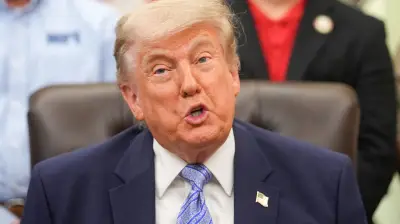
The White House has pushed back strongly against MAGA war skeptics. President Trump dismissed critics like Carlson and Kelly, asserting, "I think that MAGA is Trump." Press secretary Karoline Leavitt responded to Walsh's criticisms by clarifying the war's goals: ending Iran's nuclear program and destroying its military capabilities. She declared, "Their brutal attacks and threats will finally end under President Trump. America will win – the terrorists will be defeated."
Walsh countered this as "gaslighting," arguing that conservative influencers previously opposed war with Iran and questioning the narrative of a 47-year conflict. He stated, "You and I both know that almost every conservative influencer in the business was opposed to war with Iran until just now."
Congressional Skepticism and Potential Actions
A handful of Republican lawmakers have also expressed doubts about the war. Senator Rand Paul (R-Ky.) labeled it "yet another preemptive war" in the Middle East, while Representative Thomas Massie (R-Ky.) indicated he would support a War Powers resolution to halt the conflict. More unexpectedly, Representative Warren Davidson (R-Ohio), who typically aligns with the party, suggested Trump improperly involved the U.S. in war without congressional approval, writing, "Congress declares war. America is at war. Congress did not declare war." However, he did not commit to voting for a resolution to end the war.
This dissent marks a significant shift, as the MAGA coalition had already shown cracks, notably with Greene's resignation from Congress after Trump opposed her support for releasing Epstein files. The early reactions to the Iran war suggest a more dramatic rupture could be imminent, testing Trump's influence and unity within the conservative movement.