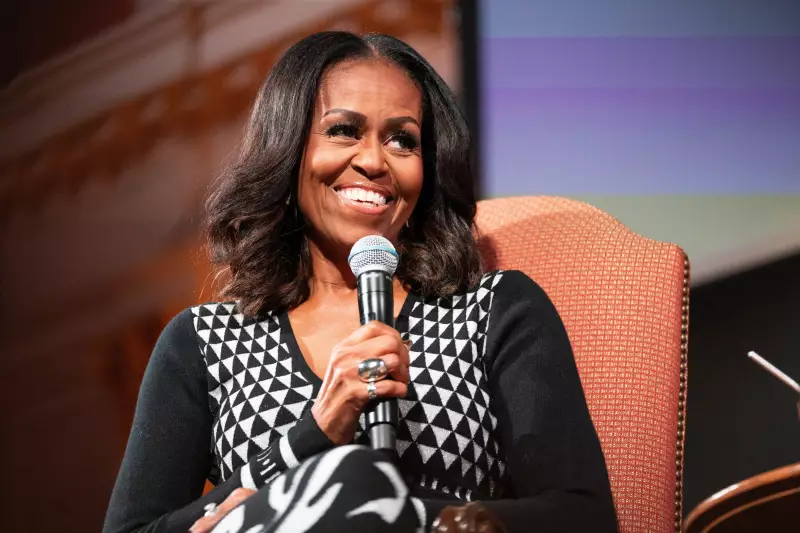
Former First Lady Michelle Obama has made a striking declaration about the state of gender equality in American politics, stating unequivocally that the country remains unprepared to elect a woman as president. The comments came during a public appearance in Washington where she discussed her new book "The Look."
Washington Book Event Sparks Political Conversation
Michelle Obama delivered her assessment of the political landscape during an event at Sixth and I on Wednesday, November 12, 2025. The former first lady, who has consistently remained one of the most popular figures in American politics, spoke candidly about the barriers women continue to face in seeking the nation's highest office.
Her statement about the country's readiness for female leadership came as part of a broader conversation about her literary work and observations about contemporary society. The event drew significant attention from political observers and gender equality advocates alike.

Historical Context of Women in Presidential Politics
Obama's comments arrive nearly a decade after Hillary Clinton's historic 2016 presidential campaign, which culminated in her becoming the first female nominee of a major political party. Despite this milestone, no woman has yet succeeded in winning the presidency, a reality that informs Obama's perspective.
The former first lady has previously expressed reluctance about pursuing the presidency herself, despite persistent calls from supporters. Her latest remarks provide additional insight into her reasoning and reflect her assessment of the current political climate.
Broader Implications for Political Representation
Michelle Obama's statement touches on ongoing conversations about representation in American democracy. While women have made significant strides in political representation at various levels of government, the presidency remains an elusive goal.
Political analysts note that her comments come at a time when multiple women are considered potential contenders for future presidential elections. Her assessment suggests that cultural and systemic barriers persist despite numerical gains in women's political participation.
The former first lady's perspective carries particular weight given her unique position as both an observer and participant in the highest levels of American politics. Her eight years in the White House provided firsthand experience with the complexities of presidential leadership and public perception.