For Montreal-based journalist and author Toula Drimonis, the recent holiday season became an unexpected journey back to the 1980s, bookended by a jarring return to a modern world she finds profoundly unsettling.
A Holiday Immersed in 1980s Geopolitics and Nostalgia
Drimonis spent much of her Christmas and New Year's break first watching The Americans, the acclaimed series about KGB spies operating undercover during the Reagan presidency. This show, she notes, recalled a period defined by starkly different global power dynamics.
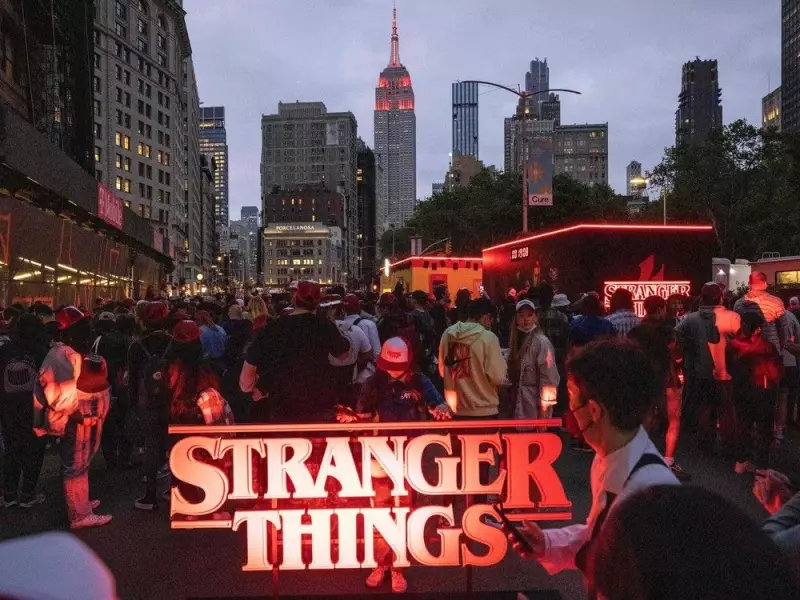
She then dove into the final episodes of Netflix's blockbuster series Stranger Things. For Drimonis and many others who lived through that era, the show is a powerful nostalgia trip. It captures the aesthetics, the music of artists like Kate Bush and Prince, and the feeling of a childhood where global crises rarely pierced teenage consciousness.

"The sci-fi series is pure time travel," Drimonis writes, describing it as a portal to a time of adolescent obsessions and a perceived innocence, where the threat of nuclear war seemed to be receding with events like the fall of the Berlin Wall.
The Morning After: A Sudden Shift to a 'Stranger' Reality
The comforting fantasy of Hawkins, Indiana, and its battles with the Upside Down was shattered the very next morning. On Saturday, January 10, 2026, Drimonis woke to news that U.S. President Donald Trump had ordered a military strike on Caracas and the arrest of Venezuelan President Nicolás Maduro.
"I went from Stranger Things to even stranger things," she observes, shaken from a world of fictional monsters into one she considers far more terrifying because it is real. She acknowledges Maduro's dictatorial regime but expresses deep fear that Trump's actions, backed by Republican allies, signal a dangerous new phase of global aggression.
Historical Patterns and Local Political Irony
The columnist points out that U.S. intervention in sovereign nations is not new, citing 1980s examples like the invasions of Grenada and Panama and the Iran-Contra affair. She argues that when figures like U.S. Secretary of War Pete Hegseth boast that "America can project our will anywhere, any time," it confirms the country's role as a rogue state for some observers.
Closer to home, Drimonis finds irony in Bloc Québécois Leader Yves-François Blanchet's recent comments to La Presse suggesting Quebec should fear Canada more than the United States. "In what world? The Upside Down?" she retorts, highlighting the stark contrast between such provincial concerns and the sudden, violent projection of American power on the world stage.
Ultimately, whether motivated by distraction from domestic scandals, Venezuela's vast oil reserves, or simple imperialism, the event left Drimonis—and likely many Canadians—feeling the world had become a less safe and more unstable place overnight.