NDP Leadership Candidate's Tweet on Puerto Vallarta Violence Draws Criticism for Focusing on 2SLGBTQIA+ Community
NDP leadership hopeful Heather McPherson sparked controversy on Sunday evening with a social media post addressing the escalating cartel violence in Puerto Vallarta, Mexico, which specifically mentioned the 2SLGBTQIA+ community. The post, which linked to federal travel advisories for Mexico, quickly accumulated nearly 5,000 replies by Monday morning, with many users criticizing McPherson for what they perceived as progressive virtue signaling during a crisis.
Content of the Controversial Post
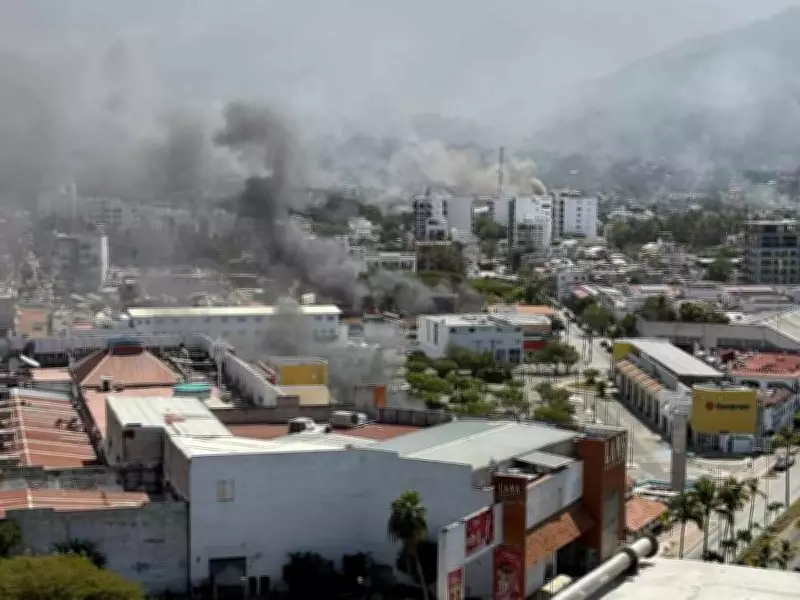
In her tweet, McPherson, who is also the Member of Parliament for Edmonton, wrote: "Many Canadians, especially members of the 2SLGBTQIA+ community, are in Puerto Vallarta, where violence has quickly escalated. A shelter-in-place order is in effect." This statement came as violence erupted in Puerto Vallarta and the surrounding state of Jalisco following the death of drug lord Nemesio 'El Mencho' Oseguera Cervantes in a military raid on Sunday morning. Reports indicate criminal gangs have set up roadblocks and set fire to vehicles across the state, prompting advisories for travelers, including nearly 5,000 Canadians, to stay indoors.
Public Reaction and Criticism
The response to McPherson's post was overwhelmingly negative, with many commenters arguing that her focus on the 2SLGBTQIA+ community was unnecessary and divisive. One critic remarked, "Honestly, just stop. 'Many Canadians' is perfectly adequate," reflecting a broader sentiment that the tweet prioritized identity politics over the safety of all Canadian travelers caught in the chaos. The backlash highlights ongoing debates about how politicians address crises and the role of social media in shaping public discourse.

Puerto Vallarta's Significance to the LGBT Community
Puerto Vallarta has long been recognized as a major global destination for LGBT travelers, with economic activity from this group contributing approximately 40% of the city's tourism GDP in 2023. This translates to around $17 billion pesos, or roughly $1.3 billion Canadian, underscoring the city's economic reliance on LGBT tourism. The city's reputation as the "gay capital of Mexico" dates back to the early 1960s, when American tabloids reported on visits by Elizabeth Taylor and Richard Burton, and was solidified in the early 1990s following a police raid on a local gay bar that sparked a civil rights movement.
Historical Context and Current Trends
Edmontonian Murray Billet, a gay man who began vacationing in Puerto Vallarta in the mid-1990s, noted, "I had some friends that had been down, and they suggested to me, all those years ago, that it would be a wonderful little place." More recently, Doug Kerr, executive director of the gay rights NGO Dignity Network Canada, explained that LGBT Canadians are increasingly choosing Puerto Vallarta over U.S. destinations like Florida due to political tensions under former U.S. President Donald Trump. Kerr stated, "From what I've seen, the city is an increasingly popular destination for gay Canadians, many of whom are opting to take their vacation time there as opposed to places like Florida."
This incident raises questions about the intersection of politics, identity, and crisis communication, as McPherson's attempt to highlight a vulnerable group amid violence has instead ignited a fierce online debate about inclusivity and messaging priorities.