Massive Protests Erupt in Nepal as Thousands Demand Monarchy's Restoration
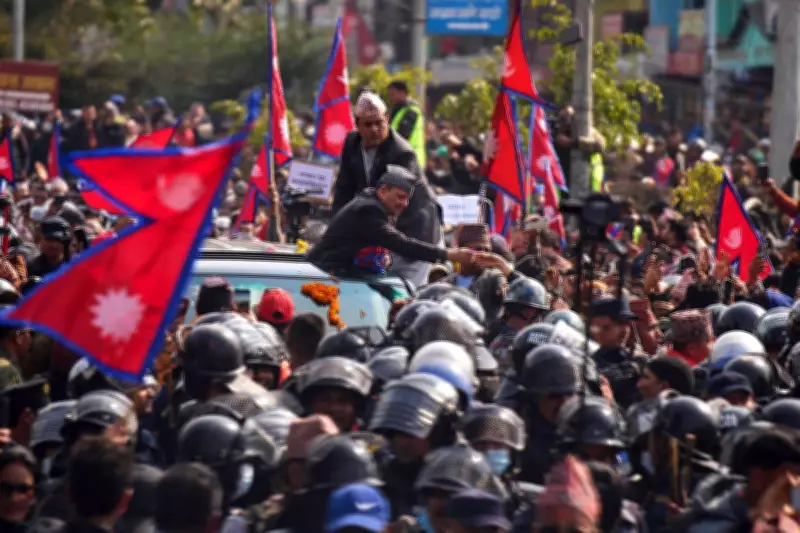
In a striking display of public sentiment, thousands of demonstrators gathered in Kathmandu, Nepal, on Friday, February 13, 2026, to rally in support of former King Gyanendra Shah and call for the return of the monarchy. The protests, which drew large crowds to the streets, highlight a growing movement advocating for the restoration of the royal institution, which was abolished in 2008 following the end of the civil war and the establishment of a federal republic.
Former King Greeted by Enthusiastic Supporters Upon Arrival
Former King Gyanendra Shah received a warm welcome from his supporters upon his arrival at Tribhuvan International Airport in Kathmandu. Eyewitnesses reported that he was presented with flowers and cheered by a throng of loyalists, many of whom waved flags and chanted slogans demanding the monarchy's reinstatement. The scene underscored the deep-seated affection and nostalgia some Nepalese citizens hold for the royal family, despite years of political transition towards democracy.
Growing Political Unrest and Calls for Change
The rally comes amid increasing political instability in Nepal, with many protesters expressing frustration over the current government's handling of economic issues, corruption, and social divisions. Organizers of the event claimed that the monarchy symbolizes national unity and stability, arguing that its return could help address the country's ongoing challenges. This movement has gained traction in recent months, with similar smaller-scale protests occurring in other parts of the country, reflecting a broader discontent with the republican system.

Historical Context and Future Implications
Nepal's monarchy was formally abolished in 2008 after a decade-long civil war and the signing of a peace agreement that led to the creation of a secular federal republic. Since then, the country has experienced frequent changes in government and political turmoil. The resurgence of pro-monarchy sentiment suggests a potential shift in public opinion, as some citizens look to the past for solutions to present-day problems. Analysts note that while the monarchy's return remains unlikely under current constitutional frameworks, the protests could pressure political leaders to address underlying grievances more effectively.
International Attention and Local Reactions
The rally has attracted international media coverage, drawing parallels to other global movements where historical institutions are revisited in times of crisis. Locally, reactions have been mixed, with some Nepalese supporting the protests as a legitimate expression of democratic will, while others warn against romanticizing a system associated with past autocratic rule. The government has yet to issue an official statement on the demonstrations, but observers anticipate that the event will spark further debates about Nepal's political future and the role of tradition in modern governance.