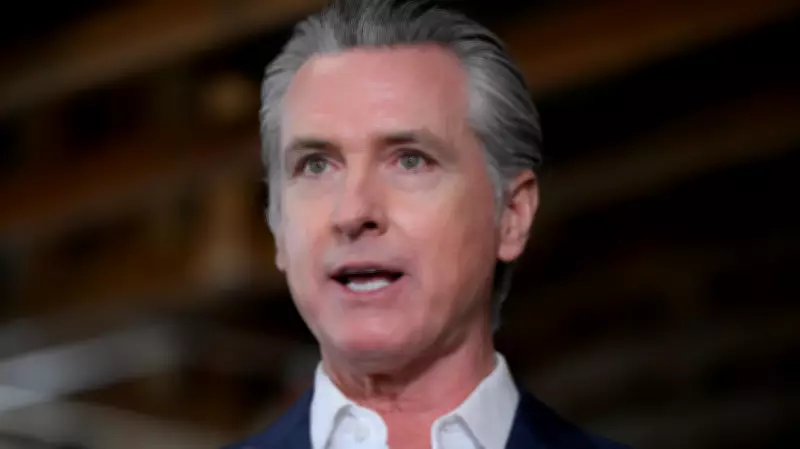
California Governor Gavin Newsom, a prominent Democrat, made significant remarks on Tuesday regarding U.S. foreign policy toward Israel, stating that critics have "appropriately" characterized Israel as an "apartheid state" under the current leadership of Prime Minister Benjamin Netanyahu. He argued that this situation leaves the United States with little choice but to reconsider its longstanding military support for Israel.
Event Context and Moderator Questions
Newsom delivered these comments during an event in Los Angeles promoting his new memoir, "Young Man in a Hurry." The discussion was moderated by Jon Favreau, co-host of the "Pod Save America" podcast, who directly asked whether the U.S. should rethink its military assistance to Israel in the future. Newsom responded emotionally, noting that the current Israeli leadership is steering the relationship toward a point where such reconsideration becomes unavoidable.
Shifting Sentiments and Domestic Pressures
Fellow moderator Tommy Vietor, also a "Pod Save" co-host, highlighted a growing sentiment among Democrats against what he termed "the Netanyahu regime," with many feeling it is time to reassess the U.S.-Israel relationship. Newsom pointed to Netanyahu's domestic challenges, including legal issues and an upcoming election, as factors influencing his policies. He specifically mentioned hardline factions advocating for the annexation of the West Bank, a move that has drawn comparisons to apartheid.

Newsom referenced political commentator Thomas Friedman, who in a recent New York Times column argued that Netanyahu's actions could accelerate plans to annex the West Bank, undermine Israel's Supreme Court, and effectively transform Israel into an apartheid state. This aligns with broader criticisms of Israel's treatment of Palestinians and its expansionist policies.
Broader Regional and U.S. Political Context
The governor also addressed the escalating regional conflict, noting that discussions between Israel and the U.S. about regime change in Iran have not resolved key issues like the "Hamas question" in Gaza. He lamented the U.S. military death toll in Iran, which had risen to six by Tuesday, emphasizing the human cost of ongoing hostilities.
Criticism of the Trump Administration
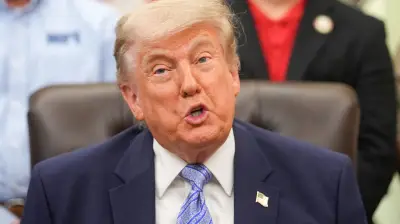
Newsom did not spare the Trump administration from his critique, targeting its newly formed Board of Peace. Chaired by former President Donald Trump himself, this board was purportedly established to oversee plans for Gaza's future, with a permanent seat reportedly costing $1 billion. Newsom questioned the integrity of the board, suggesting that members like Jared Kushner and U.S. special envoy Steve Witkoff might be profiting from it, a point he made with a wordplay on "peace" that drew cheers from the audience.
He argued that the "grift and corruption" associated with the Trump administration continue to grow, complicating efforts to achieve stability in the region. Newsom stressed that a conversation about this board is necessary to address the financial and ethical implications of its operations.
Implications for U.S. Policy
Newsom's remarks underscore a growing divide within the Democratic Party over U.S. support for Israel, particularly under Netanyahu's leadership. By invoking terms like "apartheid state" and calling for a reassessment of military aid, he aligns with progressive voices pushing for a more critical stance toward Israeli policies. His comments also reflect concerns about the broader Middle East conflict and the role of U.S. diplomacy under previous administrations.
As tensions persist in the region, Newsom's statements highlight the complex interplay between domestic politics, international relations, and humanitarian issues, urging a reevaluation of how the U.S. engages with key allies in the Middle East.