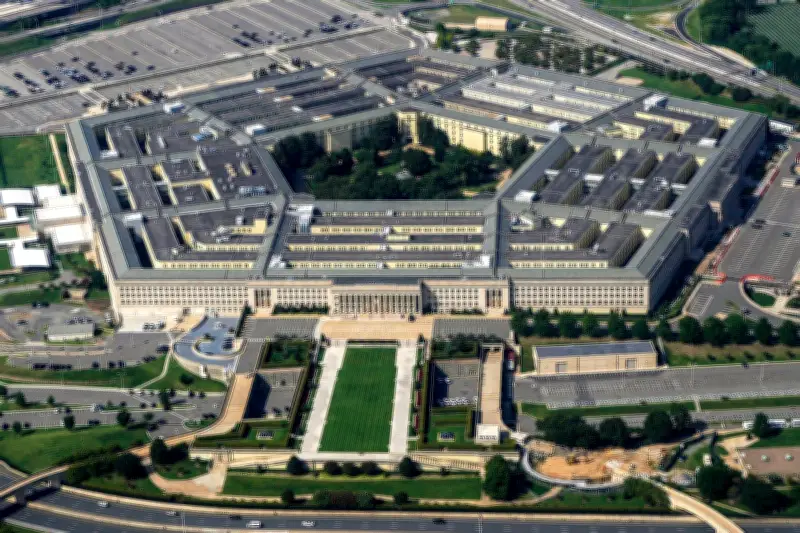
The Pentagon has taken the unprecedented step of designating its press office as a classified area, a move that has sparked debate over government transparency and the role of the media in covering military affairs. The decision, announced on June 1, 2026, effectively restricts access to the office where journalists and public affairs officers coordinate information about the U.S. Department of Defense.
Security Measures or Secrecy?
According to defense officials, the reclassification is part of broader security enhancements aimed at protecting sensitive information. However, critics argue that it undermines the public's right to know and could hinder timely reporting on national security issues. The Pentagon Press Association has expressed concern, noting that the change could limit journalists' ability to do their jobs effectively.
Impact on Press Operations
The classified designation means that the press office will now require special security clearances for entry, a barrier that could delay or prevent access for many reporters. Previously, the office was considered a secure but unclassified space. This shift is reminiscent of Cold War-era restrictions and has drawn comparisons to other government efforts to control information flow.

- Journalists may need to undergo background checks and obtain passes to enter the press office.
- Press briefings and media interactions could be moved to alternative locations.
- The Defense Department has not provided a timeline for how long the new policy will remain in effect.
Historical Context
The Pentagon has long been a symbol of military transparency, with its press office serving as a hub for media relations. This change marks a significant departure from past practices, especially in an era where information security is paramount. The move comes amid heightened tensions and ongoing global conflicts, which may have influenced the decision.
In a statement, a Pentagon spokesperson emphasized that the measure is not intended to stifle press freedom but to protect national security. “We are committed to transparency within the bounds of security requirements,” the spokesperson said. However, advocacy groups for press freedom have called for a reversal, warning that such policies can lead to a culture of secrecy.