Peru's Congress to Debate Impeachment of Interim President on Tuesday
Peru's Congress is scheduled to debate the impeachment of interim President Jose Jeri on Tuesday, marking a critical moment in the nation's ongoing political instability. The debate comes after Jeri was sworn in as interim president in Lima on October 10, 2025, following a period of constitutional transition.
Background and Context
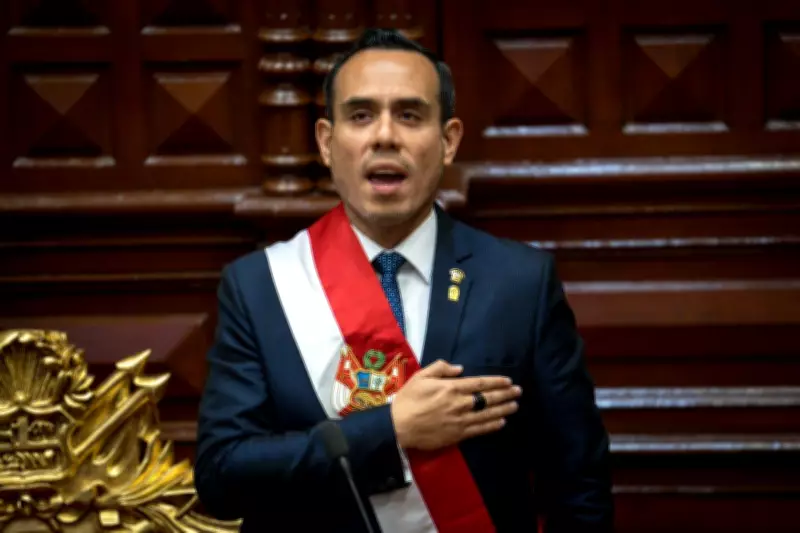
Jose Jeri, the former president of Peru's Congress, assumed the interim presidency last fall amid a backdrop of political upheaval. His swearing-in ceremony, which included the singing of the national anthem, was captured in photographs that have since circulated widely. The move was part of a broader effort to stabilize the government, but it has faced significant opposition from various political factions.
The impeachment debate is expected to focus on allegations of misconduct and questions about Jeri's legitimacy in the role. This development underscores the deep divisions within Peru's political landscape, which have been exacerbated by recent economic challenges and social unrest.

Implications for Peru's Future
If the impeachment proceeds, it could lead to further uncertainty in Peru's governance, potentially triggering new elections or another interim arrangement. Observers note that such political volatility may impact foreign investment and domestic policies, including efforts to address pressing issues like poverty and infrastructure development.
The debate on Tuesday will be closely watched by international communities, as Peru is a key player in South American politics. The outcome could set a precedent for how similar crises are handled in the region, influencing democratic processes elsewhere.
Regional and Global Reactions
While specific details of the impeachment charges have not been fully disclosed, sources indicate that they relate to procedural irregularities and alleged abuses of power. The situation has drawn comparisons to other political crises in Latin America, highlighting a trend of instability in some democracies.
As Peru navigates this critical juncture, the focus remains on whether Congress can reach a consensus or if the debate will deepen existing rifts. The decision could have lasting effects on the country's institutional framework and its ability to foster long-term stability.