Poilievre Condemns Prime Minister Carney's No-Show in Critical Iran War Discussion
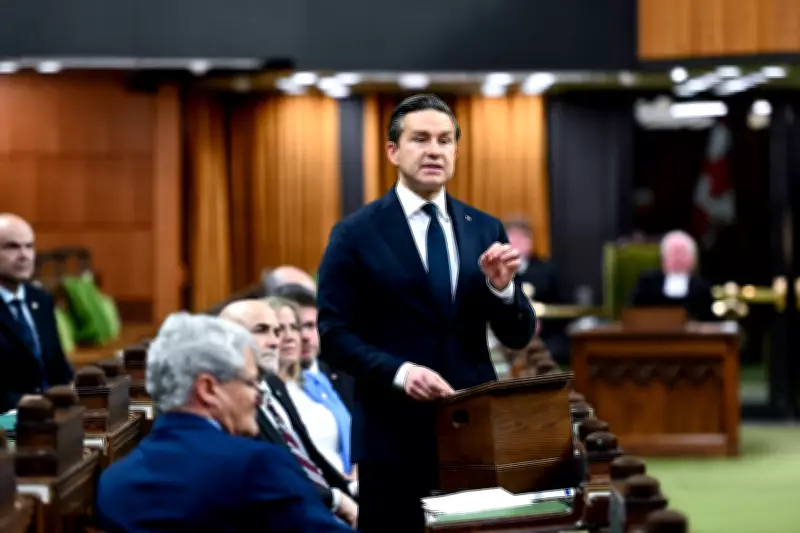
In a heated session of the House of Commons, Conservative Leader Pierre Poilievre launched a pointed critique against Prime Minister Mark Carney for his absence during a pivotal debate on the ongoing war involving Iran. The debate, which centered on the conflict's implications for national security and international relations, saw Poilievre emphasizing the importance of parliamentary engagement on such critical matters.
Absence Sparks Political Backlash and Security Concerns
Poilievre argued that Carney's failure to attend the debate undermines the government's commitment to addressing urgent global crises. "When our nation faces threats from abroad, it is imperative that our leaders are present and accountable," Poilievre stated, according to reports from The Canadian Press. The Conservative leader highlighted how the Iran war is expected to impact various sectors, including agriculture and grocery costs, due to potential disruptions in supply chains and economic instability.
This incident has ignited broader discussions about political responsibility and the role of elected officials in times of international conflict. Poilievre's remarks come amid a backdrop of other parliamentary activities, such as discussions on environmental policies and infrastructure projects, but the focus remained sharply on Carney's perceived negligence.

Broader Context of Parliamentary Proceedings and Public Scrutiny
The debate also touched on related issues, such as the economic repercussions of the war, with oil prices hovering around $100 per barrel and affecting consumer expenses. Additionally, Poilievre referenced other parliamentary matters, including Indigenous advocacy and provincial disputes, to underscore the multifaceted challenges facing Canada. However, the core of his criticism was directed at Carney's decision to prioritize other engagements, such as attending NATO exercises in Norway, over domestic parliamentary duties.
Political analysts suggest that this episode could influence public opinion and future electoral dynamics, as voters assess leadership during crises. The absence has drawn comparisons to other political scandals and debates, reinforcing the need for transparency and engagement in governance.
In summary, Poilievre's outcry over Carney's absence during the Iran war debate highlights significant tensions within Canadian politics, raising questions about accountability and the prioritization of national security issues in parliamentary discourse.