PQ Leader Outlines Economic Vision for an Independent Quebec
In a recent statement, Parti Québécois leader Paul St-Pierre Plamondon has proposed that an independent Quebec could potentially offer its citizens lower taxes and higher pensions. This announcement comes as the political landscape in Quebec continues to evolve, with discussions around sovereignty and economic self-determination gaining traction.
Details of the Proposal
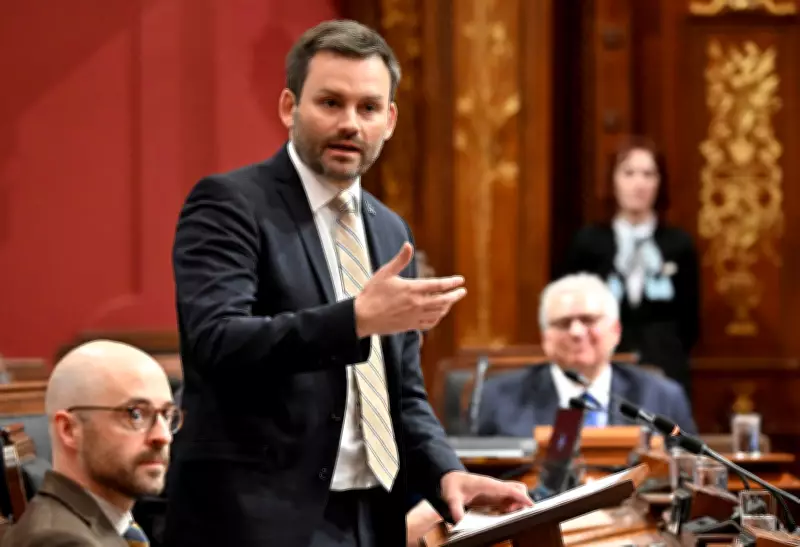
During a session in the Quebec National Assembly, Plamondon elaborated on his vision, suggesting that independence would allow Quebec to tailor its fiscal policies more closely to the needs of its population. He argued that without the constraints of federal oversight, Quebec could implement tax reductions and enhance pension schemes to improve the financial well-being of its residents.
This proposal is part of a broader strategy by the Parti Québécois to reignite the debate on Quebec sovereignty, a topic that has seen fluctuating public interest over the decades. Plamondon emphasized that economic autonomy is a key pillar of this vision, aiming to address concerns about affordability and retirement security in the province.

Context and Reactions
The statement was made against a backdrop of various national and international news, including developments in sports, health, and environmental issues. However, Plamondon's focus remained squarely on Quebec's potential future as an independent nation. Political analysts note that such proposals often spark heated discussions, with proponents highlighting the benefits of self-governance and opponents warning of economic risks and uncertainties.
Critics have raised questions about the feasibility of these plans, pointing to the complexities of disentangling from federal systems and the potential impacts on trade and investment. Meanwhile, supporters argue that Quebec's unique cultural and economic identity warrants greater control over its policies, including taxation and social programs.
Implications for Quebec's Future
If implemented, Plamondon's proposals could lead to significant changes in how Quebec manages its finances and supports its aging population. Lower taxes might stimulate economic growth and attract businesses, while higher pensions could alleviate poverty among seniors. However, the path to independence remains fraught with legal and political challenges, requiring broad public support and careful negotiation with the federal government.
As the debate continues, Plamondon's remarks serve as a reminder of the ongoing discourse around Quebec's place within Canada. Whether this vision gains momentum will depend on evolving public opinion and the political climate in the coming years.