Former FBI Director Robert Mueller, Central Figure in High-Profile Russia Investigation, Passes Away
Robert Mueller, the former director of the Federal Bureau of Investigation who served as special counsel investigating Russian interference in the 2016 U.S. presidential election, has died. His passing marks the end of a storied career that placed him at the center of one of the most politically charged investigations in modern American history.
A Legacy Defined by the Russia-Trump Probe
Mueller's tenure as special counsel, which began in May 2017, was defined by his meticulous examination of links between the Trump campaign and Russian operatives. The investigation, which concluded in March 2019, resulted in numerous indictments and convictions of Trump associates, though it did not establish a criminal conspiracy between the campaign and Russia.
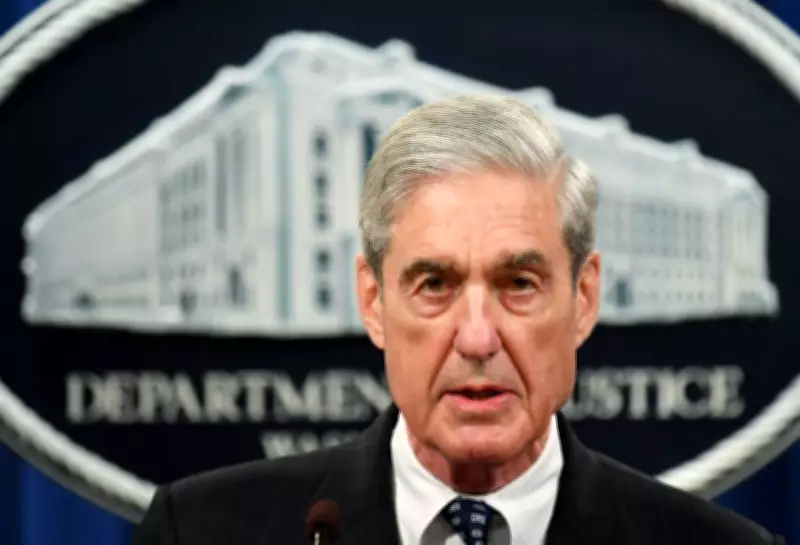
In a pivotal moment, Mueller stated publicly that charging then-President Donald Trump with obstruction of justice was not a viable option due to longstanding Justice Department policy prohibiting the indictment of a sitting president. This declaration, made during a press conference at the Department of Justice in Washington, D.C., on May 29, 2019, underscored the legal and constitutional complexities of his mandate.

Distinguished Career in Law Enforcement
Prior to his role as special counsel, Mueller served as the sixth director of the FBI from 2001 to 2013, appointed by President George W. Bush and serving under President Barack Obama. His leadership spanned critical periods, including the aftermath of the September 11 attacks, during which he oversaw the bureau's counterterrorism efforts.
Colleagues and observers often described Mueller as a by-the-book prosecutor with a reputation for integrity and discretion. His career included service as a United States Attorney and as a Marine Corps officer, earning a Bronze Star for valor during the Vietnam War.
Impact and Aftermath of the Investigation
The Mueller report, officially titled "Report on the Investigation into Russian Interference in the 2016 Presidential Election," remains a foundational document in contemporary political discourse. Its findings fueled intense partisan debate and multiple congressional hearings.
- The investigation led to 34 indictments and seven convictions or guilty pleas.
- It detailed extensive Russian efforts to influence the election through hacking and disinformation campaigns.
- Mueller's team examined numerous instances of potential obstruction by President Trump, though no charges were filed.
Mueller's death concludes a chapter in American legal and political history, leaving behind a legacy of service that will be analyzed for years to come. His work continues to influence discussions on election security, executive power, and the role of special counsels in the U.S. justice system.