Sanders Highlights Contradiction in Trump's War Rhetoric Following Iran Strikes
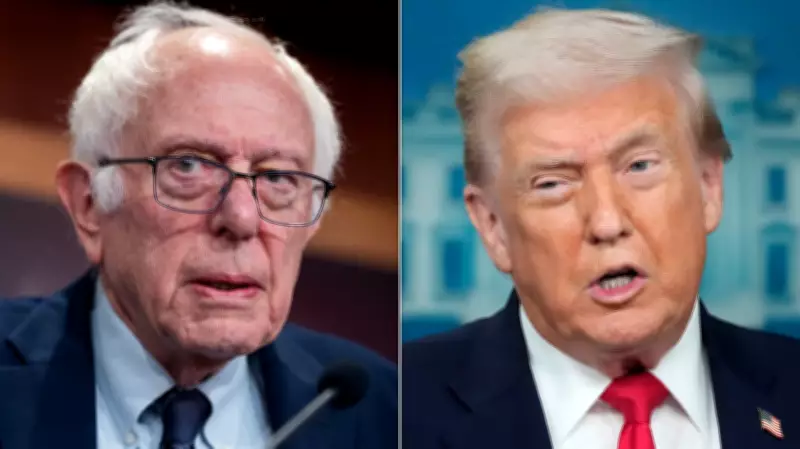
Senator Bernie Sanders, an Independent from Vermont, publicly acknowledged on Monday that President Donald Trump had previously voiced strong opposition to initiating new U.S. military conflicts in the Middle East. However, Sanders emphasized the stark contrast with Trump's recent actions, as the president authorized strikes on Iran over the weekend, resulting in the death of Supreme Leader Ayatollah Ali Khamenei.
Trump's Past Statements on War and Infrastructure
In a social media post, Sanders shared a throwback clip from April 2020, where Trump criticized the enormous financial burden of U.S. involvement in Middle Eastern conflicts. During that briefing, Trump lamented, "We've spent $8 trillion in the Middle East, and we're not fixing our roads in this country? How stupid is that? And we're not fixing our highways, our tunnels, our bridges, our hospitals, even, our schools? It's crazy." This statement aligned with his "America First" platform, which advocated for ending foreign wars and redirecting funds to domestic infrastructure projects.
Recent Military Actions and Their Consequences
Despite these earlier promises, Trump's administration launched targeted strikes on Iran, claiming its nuclear facilities had been "totally obliterated" in previous operations. The conflict has already led to tragic outcomes, with the Iranian Red Crescent Society reporting over 787 Iranian fatalities and at least six U.S. service members killed. Critics argue that while Iran may have posed a threat to Israel, it did not directly endanger the United States, raising questions about the necessity of the military intervention.

Economic and Social Implications
The economic toll of these strikes is substantial. Kent Smetters, a leading fiscal analyst and director of the Penn Wharton Budget Model, estimated that the total economic cost could reach as high as $210 billion. Additionally, social media users have highlighted the irony of the situation, noting that "Operation Epic Fury" has already incurred an estimated $120 billion in its first four days alone, excluding the surging price of oil. Many commentators expressed concern that this mirrors previous "forever war" scenarios, with heightened risks to the domestic economy.
One user pointed out that infrastructure investments could generate domestic jobs and economic multipliers, whereas military spending overseas primarily benefits defense contractors. This dynamic, they argued, exports economic stimulus abroad while neglecting critical domestic needs like crumbling infrastructure.
Trump's Evolving Stance on Conflict
Throughout last year, Trump frequently touted his efforts to end up to eight wars and campaigned for a Nobel Peace Prize, reinforcing his image as a peacemaker. In his victory speech ahead of the 2024 election, he asserted, "I'm not going to start a war, I'm going to end wars." However, his recent remarks have shifted, with Trump stating that "wars can be fought 'forever,' and very successfully," indicating a potential change in his approach to military engagements.
Sanders' post garnered widespread support online, with many users echoing his critique of the inconsistency between Trump's rhetoric and actions. The senator's commentary underscores ongoing debates about U.S. foreign policy priorities and their impact on both international stability and domestic welfare.