Senator Sheehy Involved in Contentious Removal of Protester at Senate Hearing
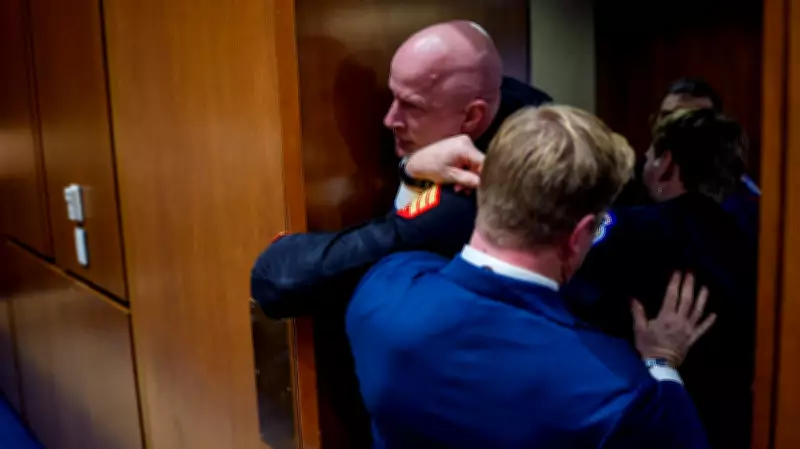
Senator Tim Sheehy, a Republican from Montana and former Navy SEAL, intervened to help Capitol Police remove a protester from a Senate Armed Services subcommittee hearing on military readiness this Wednesday. The incident, captured on video by CBS News, has ignited a fierce debate over the use of force and the senator's role in the altercation.
Details of the Confrontation
Brian McGinnis, a Green Party candidate for Senate in North Carolina and a military veteran, attended the hearing wearing his service uniform. He began protesting against potential military action in Iran, prompting Capitol Police to attempt his removal. In the ensuing struggle, Senator Sheehy joined officers in physically dragging McGinnis out of the room.
Observers at the scene reported that McGinnis's arm became trapped in the door frame during the ejection, with witnesses yelling for Sheehy and police to be careful. When asked if his arm was okay, McGinnis responded, "No, it is not." Reuters later confirmed that his arm was broken, and he was treated at a hospital afterward.

Conflicting Accounts and Aftermath
Senator Sheehy took to social media platform X to defend his actions, stating he was trying to "deescalate the situation" and that McGinnis was "fighting back." He described the protester as "unhinged" and claimed he came to the Capitol "looking for a confrontation." However, a community note attached to his post refuted this assertion, and Mark Elbourno, Sheehy's campaign manager, countered that McGinnis was not assaulting anyone but merely wanted to be heard.
Elbourno told CBS News, "He was assaulted, actually. They broke his arm." Meanwhile, Capitol Police released a statement accusing McGinnis of "violently resisting" and putting everyone in danger, noting that three officers were treated for injuries. McGinnis faces charges including assault on a police officer, resisting arrest, and obstructing an unlawful demonstration.
As the incident unfolds, it raises questions about protest rights, legislative security, and the appropriate response to dissent in government settings.