Senator's Sarcastic Post on Iran War Ignites Political Firestorm
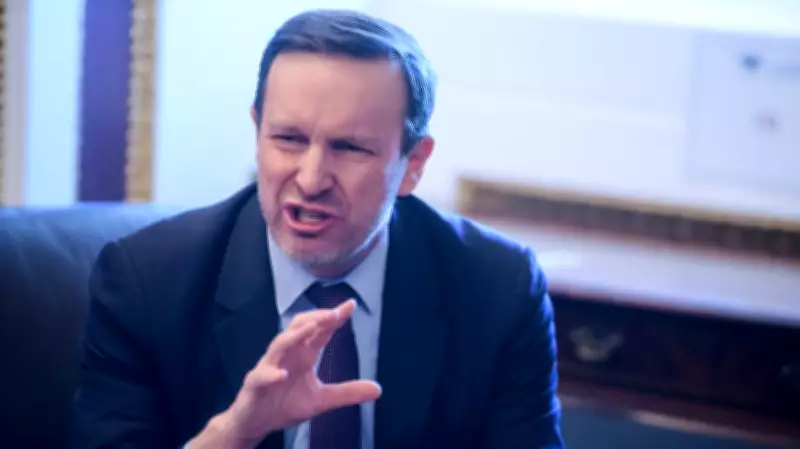
Senator Chris Murphy, a Democrat from Connecticut, found himself in the midst of a political controversy after a sarcastic social media post about President Donald Trump's handling of the Iran war was widely misinterpreted. The incident, which occurred in April 2026, highlights the challenges of communication in today's polarized political landscape.
The Tweet That Started It All
On Monday, April 20, 2026, Murphy responded to a report noting that more than two dozen Iranian shadow fleet vessels had bypassed a U.S. blockade. His reply consisted of just one word: "awesome." The senator later explained that he intended the post to be sarcastic, using lower-case letters and no punctuation to convey his disapproval of Trump's war management. However, many supporters of the MAGA movement either failed to grasp the sarcasm or chose to ignore it, leading to a wave of criticism.
Republican Backlash and Accusations
The response from Republican figures was swift and severe. The Senate Republicans' official account condemned the tweet, stating, "Democrats in Congress ought to condemn this disgusting remark." Other prominent voices joined in, with Senator Tim Sheehy of Montana questioning if Murphy was "publicly rooting for Iran" and suggesting ties to Iranian oil revenue. Additional criticism came from figures like Buzz Patterson, who called for censorship, and Ari Fleischer, who labeled Murphy a "traitor." Senator John Cornyn expressed dismay, noting, "I root for the US over Iran. Disturbing to see that Democrats don't."

Murphy's Clarification and Continued Criticism
In an attempt to defuse the situation, Murphy posted a follow-up message on April 21, 2026, explicitly stating that his tweet was sarcastic. He wrote, "Ok Twitter, I can't believe I need to clarify this but obviously Trump's bungled mismanagement of this war is not 'awesome'. As I have said a million times here, it's a disaster and he should end the war immediately. My tweet was something called 'sarcasm'." Despite this clarification, the backlash from MAGA supporters continued unabated, with many quote tweets amplifying the criticism and refusing to accept the explanation.
Broader Implications for Political Discourse
This incident underscores the deepening divides in American politics, where even clear attempts at sarcasm can be weaponized in partisan debates. It raises questions about the role of social media in shaping public perception and the difficulties politicians face in communicating nuanced positions. As tensions over foreign policy and national security persist, such misunderstandings may become more common, fueling further polarization and mistrust between political factions.