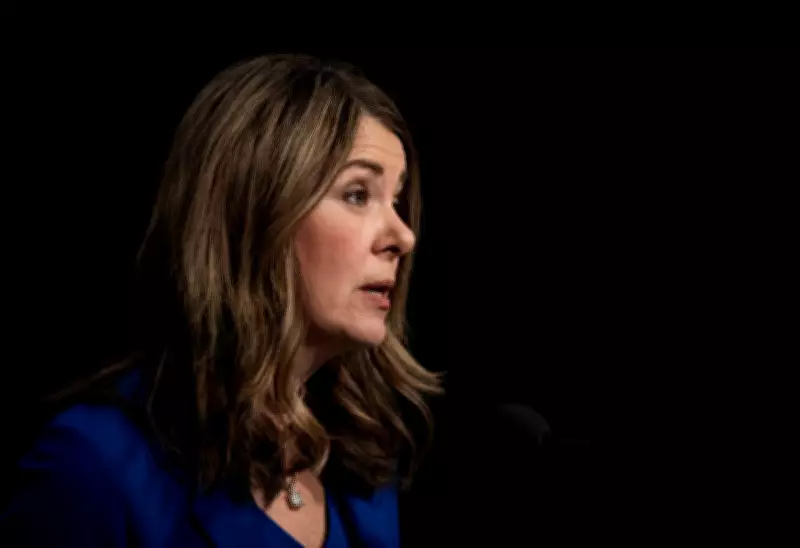
Alberta Premier Smith Criticizes Federal Immigration Policies Under Trudeau
Alberta Premier Danielle Smith has publicly criticized federal immigration policies, describing them as "out of control" during the years under Prime Minister Justin Trudeau. Speaking at a news conference in Calgary on February 20, 2026, Smith addressed the significant challenges Alberta faces due to rapid population growth, directly linking these issues to decisions made by the federal government.
Population Growth Strains Provincial Resources
Smith emphasized that Alberta's infrastructure and public services are under immense pressure from the surge in population. She pointed to housing shortages, overcrowded schools, and strained healthcare systems as direct consequences of the federal immigration approach. "These are problems," Smith stated, highlighting the tangible impacts on everyday Albertans who are struggling with affordability and access to essential services.
The Premier argued that while immigration is vital for economic growth, the current federal policies have not been matched with adequate support or planning for provinces like Alberta. She called for more provincial autonomy in managing immigration levels to better align with local needs and capacities.

Federal-Provincial Tensions Rise
This criticism adds to ongoing tensions between Alberta and the federal government over jurisdiction and policy direction. Smith's comments reflect a broader sentiment among some provincial leaders who feel that federal decisions are made without sufficient consultation or consideration of regional realities.
Experts note that immigration has been a key component of Canada's strategy to address labor shortages and demographic shifts. However, Smith's remarks underscore the challenges of balancing national objectives with provincial capabilities, especially in regions experiencing rapid growth.
Looking Ahead: Calls for Policy Reforms
In response to these issues, Smith advocated for reforms that would allow provinces greater control over immigration processes. She suggested mechanisms for tailoring immigration streams to specific economic sectors and community needs within Alberta.
The debate over immigration policy is likely to intensify as Canada continues to navigate post-pandemic recovery and long-term planning. Smith's outspoken stance positions Alberta at the forefront of calls for a more decentralized approach to immigration management.
As the federal government prepares for upcoming policy reviews, the voices of provincial leaders like Smith will play a crucial role in shaping the future of immigration in Canada. The outcome of these discussions could have lasting implications for how the country manages growth and supports its diverse regions.