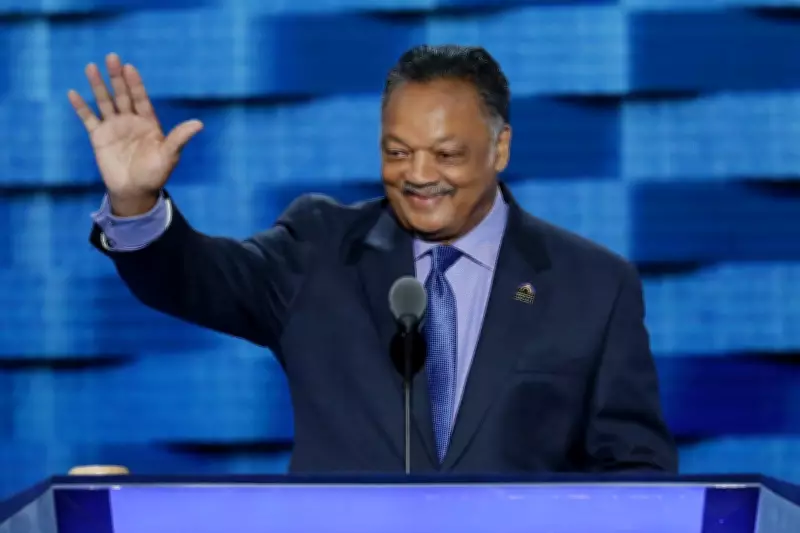
Speaker Rejects Request for Rev. Jesse Jackson to Lie in Honor at Capitol
The House Speaker has formally denied a request for civil rights leader Rev. Jesse Jackson to lie in honor at the United States Capitol, citing established precedent and historical guidelines for the rare tribute. The decision, announced on February 20, 2026, highlights the strict criteria governing who receives this high distinction within the halls of Congress.
Precedent and Protocol Guide the Decision
In a statement, the Speaker's office emphasized that the denial was based on long-standing precedent rather than any reflection on Rev. Jackson's significant contributions. "The request was carefully considered, but it does not align with the historical precedent set for individuals to lie in honor at the Capitol," the office noted. This tribute is distinct from lying in state, which is reserved for government officials like presidents, members of Congress, and military leaders.
Only a select few private citizens have been granted the honor of lying in honor at the Capitol, including civil rights icon Rosa Parks and Capitol Police officers who died in the line of duty. The Speaker's decision underscores the rigorous standards applied to such requests, ensuring the tribute remains exceptional and reserved for specific categories of individuals.

Rev. Jackson's Legacy and Public Reaction
Rev. Jesse Jackson, a prominent figure in the American civil rights movement, has been a vocal advocate for social justice and equality for decades. His work, spanning from the 1960s to the present, includes founding the Rainbow/PUSH Coalition and running for the Democratic presidential nomination in the 1980s. Supporters of the request argued that his lifelong dedication to civil rights warranted this recognition, similar to other non-governmental figures honored in the past.
Public reaction to the denial has been mixed, with some expressing disappointment while others support the adherence to protocol. Political analysts suggest the decision may spark broader discussions about how the nation honors its civil rights leaders and whether current precedents need reevaluation to reflect evolving societal values.
Broader Implications for Honorary Tributes
This incident brings attention to the processes and criteria for national honors in the United States. As the country continues to grapple with its history and the legacies of key figures, decisions like this one highlight the balance between tradition and inclusivity. The Speaker's office has not indicated any plans to revise the guidelines, but the denial may prompt future debates in Congress about expanding or clarifying the eligibility for such tributes.
In the meantime, Rev. Jackson's supporters are likely to seek alternative ways to honor his contributions, potentially through ceremonies or memorials outside the Capitol. The decision serves as a reminder of the complexities involved in national recognition and the enduring impact of precedent in American political culture.