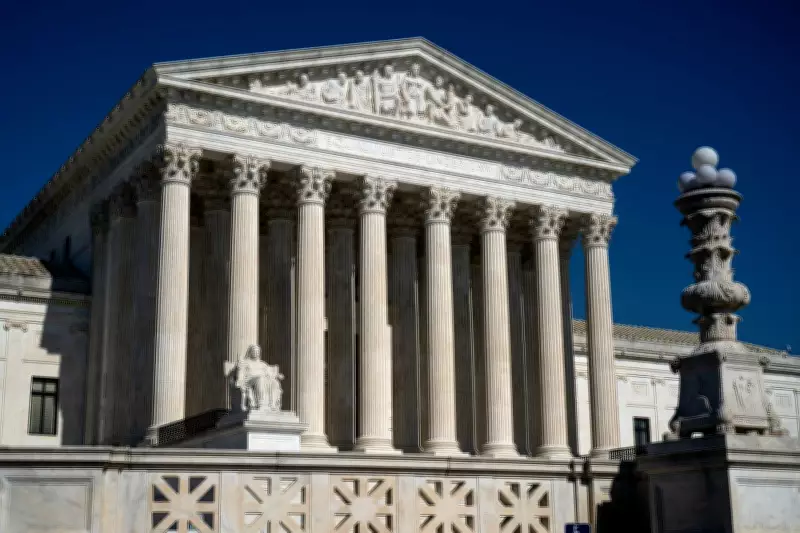
The United States Supreme Court has issued a significant ruling in favor of a Black death row inmate from Mississippi, finding that racial bias tainted the composition of the jury that convicted him. The decision, announced on May 28, 2026, marks a pivotal moment in the ongoing struggle for racial equality in the American justice system.
Background of the Case
The inmate, whose identity has not been disclosed in the initial reports, was sentenced to death after a trial in which prosecutors allegedly excluded potential jurors based on their race. The Supreme Court's ruling underscores the constitutional requirement that juries must be selected without discrimination, as guaranteed by the Equal Protection Clause of the Fourteenth Amendment.
Legal Implications
This verdict could have far-reaching consequences for capital punishment cases across the United States. Legal experts suggest that the decision may lead to a review of other convictions where racial bias in jury selection is alleged. The Court's majority opinion emphasized that the integrity of the judicial process depends on impartiality and fairness, principles that were compromised in this instance.

Reactions and Analysis
Civil rights organizations have praised the ruling as a victory for justice. "This decision reaffirms that no one should be condemned by a jury chosen through discriminatory practices," said a spokesperson for the NAACP Legal Defense Fund. Conversely, some conservative commentators expressed concern that the ruling could undermine finality in capital cases.
The case originated in Mississippi, a state with a long history of racial disparities in its legal system. The inmate's legal team argued that the prosecution used peremptory strikes to remove African American jurors, creating a jury that did not represent the community's diversity.
Next Steps for the Inmate
Following the Supreme Court's decision, the case will return to lower courts for further proceedings. It remains unclear whether the inmate will receive a new trial or have his sentence commuted. The ruling does not automatically overturn the conviction but requires the courts to address the bias in jury selection.
Broader Context
This ruling comes amid heightened national scrutiny of racial bias in the criminal justice system. The Supreme Court has previously addressed similar issues in cases like Batson v. Kentucky, which established that prosecutors cannot exclude jurors based on race. However, enforcement of the Batson standard has been inconsistent, leading to ongoing challenges.
The decision is expected to influence future litigation and legislative efforts aimed at ensuring fair jury selection procedures. It also highlights the critical role of the judiciary in safeguarding constitutional rights, particularly for marginalized communities.