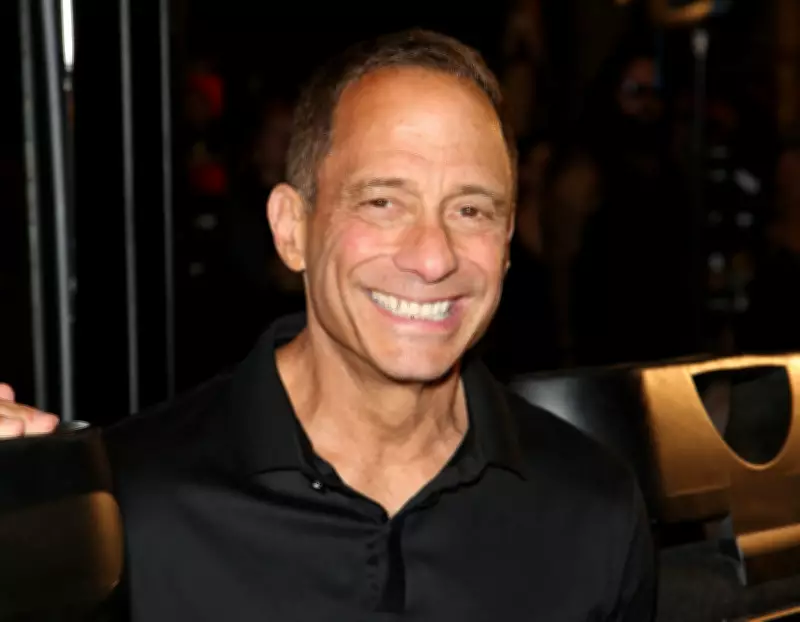
Harvey Levin, the influential founder of the celebrity news outlet TMZ, has successfully tapped into a deep well of national anger directed at Washington, DC. This strategic move reflects a broader societal sentiment of frustration and disillusionment with the political establishment. Levin's ability to channel this discontent highlights the evolving role of media figures in shaping public discourse and political narratives.
The Rise of Political Discontent
Across the United States, a growing wave of public anger towards Washington has become increasingly palpable. This sentiment is fueled by perceptions of governmental inefficiency, partisan gridlock, and a disconnect between elected officials and the everyday concerns of citizens. Levin's media empire, traditionally focused on celebrity gossip, has adeptly pivoted to capture and amplify this national mood, positioning itself at the intersection of entertainment and political commentary.
Harvey Levin's Strategic Pivot
Levin, a seasoned media entrepreneur, has leveraged TMZ's platform to give voice to widespread frustrations. By highlighting stories that resonate with public anger, he has expanded his influence beyond Hollywood into the realm of political critique. This approach not only broadens TMZ's audience but also solidifies Levin's role as a commentator on national issues, blending sensationalism with socio-political observation.

Broader Implications for Media and Politics
The phenomenon of media figures like Levin channeling political anger underscores a significant shift in how information is consumed and disseminated. Traditional news outlets are increasingly competing with entertainment-driven platforms that package political discontent in accessible, often viral, formats. This trend raises questions about the future of political journalism and the potential for media personalities to sway public opinion outside conventional news frameworks.
As public trust in traditional institutions wanes, figures like Levin fill a void, offering narratives that resonate with a disillusioned electorate. This dynamic illustrates the powerful synergy between media influence and political sentiment, shaping the national conversation in unprecedented ways.