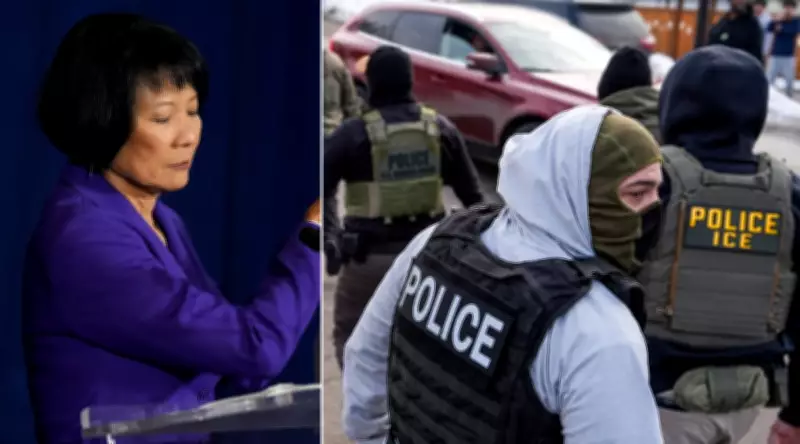
Toronto Mayor Takes Stand Against U.S. ICE Presence as World Cup Approaches
In a significant move ahead of the 2026 FIFA World Cup, Toronto Mayor Olivia Chow has initiated efforts to block the presence of U.S. Immigration and Customs Enforcement (ICE) agents within the city. This decision comes amid growing security concerns and political tensions surrounding the international sporting event, which will be co-hosted by Canada, the United States, and Mexico.
Security and Sovereignty Concerns
Mayor Chow's actions are driven by a combination of security apprehensions and a desire to uphold Canadian sovereignty. With the World Cup drawing near, there have been increasing worries about the potential for U.S. law enforcement overreach on Canadian soil. Chow emphasized that Toronto must maintain control over its own security protocols to ensure the safety and rights of all residents and visitors.
The move aligns with broader discussions about cross-border law enforcement cooperation during major events. While collaboration between Canadian and U.S. agencies is common, the mayor's stance highlights the delicate balance between international partnership and domestic autonomy. Critics argue that blocking ICE could hinder necessary security measures, but supporters praise Chow for protecting civil liberties.

Context of Rising Tensions
This development occurs against a backdrop of heightened global and local issues. Recent events, such as stalled funding for World Cup security in the U.S. and ongoing debates about transnational repression, have amplified concerns. Additionally, Toronto is experiencing one of its snowiest seasons on record, adding logistical challenges to preparations for the tournament.
Mayor Chow's initiative is not without precedent. Similar debates have surfaced in other Canadian cities regarding U.S. law enforcement activities, reflecting a national conversation about border integrity and human rights. The timing is critical, as cities across North America ramp up efforts to host World Cup matches safely and efficiently.
Implications for the 2026 World Cup
The World Cup is expected to bring millions of tourists and significant economic benefits to Toronto, but it also poses substantial security risks. By moving to block ICE, Mayor Chow aims to set a precedent for how Canadian cities manage foreign law enforcement involvement. This could influence policies in other host cities and shape the overall security framework for the event.
Key points to consider include:
- The potential impact on bilateral relations between Canada and the United States.
- How this decision might affect coordination with other security agencies.
- The response from federal officials and international sports organizations.
As preparations continue, all eyes will be on Toronto to see how this policy unfolds and whether it leads to broader changes in cross-border security protocols during the World Cup.