A class-action lawsuit stemming from a deadly mass shooting on Toronto's Danforth Avenue in 2018 has cleared another legal hurdle, allowing the case to move forward. The Ontario Superior Court of Justice ruled on June 24, 2026, that the lawsuit can proceed as a class action, rejecting a motion by the defendants to strike it down.
Background of the shooting
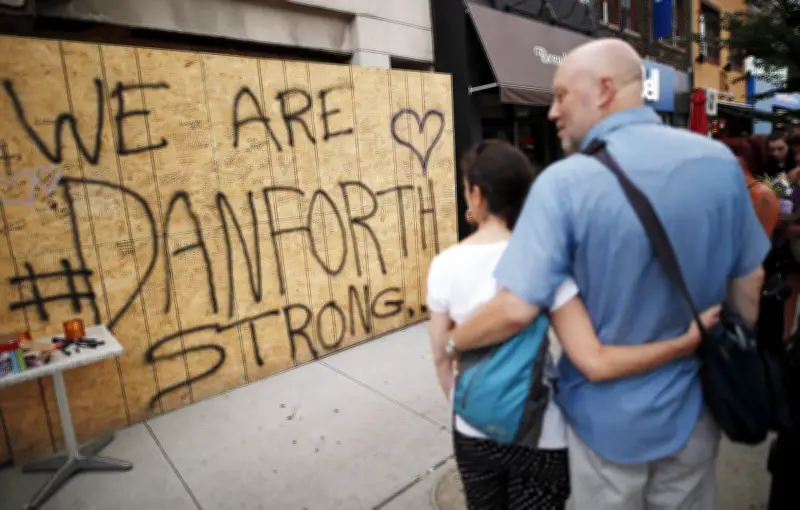
On July 22, 2018, a gunman opened fire on Danforth Avenue in Toronto's Greektown neighborhood, killing two people—10-year-old Julianna Kozis and 18-year-old Reese Fallon—and injuring 13 others before taking his own life. The shooter, 29-year-old Faisal Hussain, was armed with a handgun and fired multiple rounds along the busy street.
The class-action lawsuit, filed in 2019 on behalf of the victims and their families, alleges negligence against several parties, including the City of Toronto, the Toronto Police Service, and the provincial government. The plaintiffs claim authorities failed to prevent the shooting despite warnings about the shooter's mental health and access to firearms.

Legal significance and next steps
The court's decision to certify the class action is a significant milestone, as it allows the case to proceed to trial or settlement negotiations. The lawsuit seeks damages for negligence, breach of duty, and other claims. According to the plaintiffs' lawyer, Jared Brown, the ruling "opens the door for victims and their families to seek justice and accountability."
"This is a crucial step forward for the families who have suffered immensely," Brown said in a statement. "We look forward to presenting our case and holding those responsible accountable."
The defendants had argued that the claims were not suitable for a class action and that the case should be dismissed. However, the court found that the common issues—such as whether authorities failed in their duty to protect the public—outweighed individual differences among the plaintiffs.
Impact and broader context
The Danforth shooting was one of the deadliest mass shootings in Toronto's history and sparked debates about gun control and mental health support. The class-action lawsuit is among several legal actions taken by victims of mass shootings in Canada, including the 2020 Nova Scotia mass shooting and the 2022 Saskatchewan stabbings.
If successful, the lawsuit could set a precedent for holding governments and police forces accountable for failing to prevent such tragedies. The case is expected to proceed to trial in 2027, unless a settlement is reached earlier.