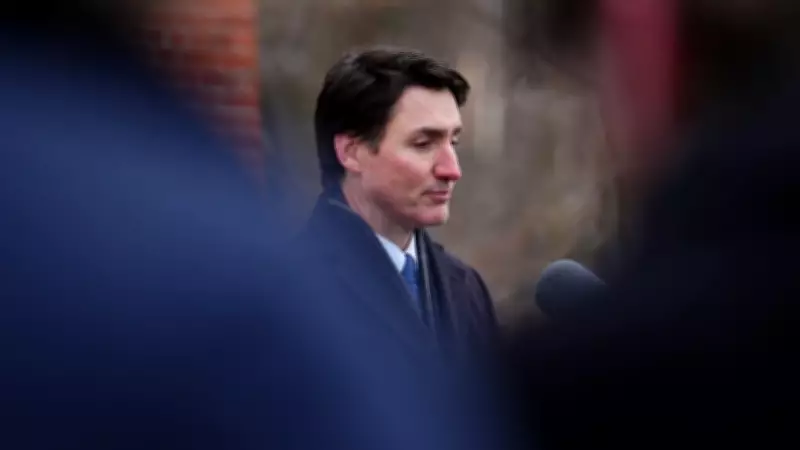
Trudeau Resignation: A Comprehensive Recap and Analysis
In a significant political development, Justin Trudeau has announced his resignation as leader of the Liberal Party, coupled with the prorogation of Parliament until March. This move marks a pivotal moment in Canadian politics, ending Trudeau's tenure amid shifting dynamics and public scrutiny.
Key Moments Leading to the Resignation
The decision follows a period of intense political pressure and evolving national issues. Trudeau's leadership, which spanned multiple terms, faced challenges ranging from economic policies to social debates. The prorogation of Parliament effectively halts legislative proceedings, allowing for a reset as the party prepares for a leadership transition.
Political Reactions and Analysis
Reactions from across the political spectrum have been swift. Conservative leader Pierre Poilievre emphasized the need for national unity in response to separation threats, while distancing himself from comments made by other party figures. This highlights the broader implications for federal-provincial relations and party cohesion.

Analysts suggest that Trudeau's resignation could reshape the Liberal Party's strategy ahead of future elections. The prorogation provides a temporary pause, but it also raises questions about pending legislation and government priorities during this interim period.
Broader Context and Implications
This event occurs alongside other national news, such as economic shifts and environmental concerns, but it stands out for its direct impact on Canada's governance. The resignation underscores the volatile nature of political leadership and the ongoing debates over policy direction and public trust.
As the Liberal Party begins the process of selecting a new leader, the focus will be on how this change influences parliamentary dynamics and national unity. The coming months are likely to see increased political maneuvering and public discourse as stakeholders assess the fallout from Trudeau's departure.