







Trump's AI Agenda Sparks Grassroots Backlash in Conservative Strongholds
Trump AI Push Fuels MAGA Heartland Revolt

Trump's AI Agenda Sparks Grassroots Backlash in Conservative Strongholds

On a frigid Tuesday evening last week, approximately 200 residents of Missouri packed into a Methodist church in Independence to deliver a clear message: their support for Donald Trump's administration does not extend to its enthusiastic embrace of the artificial intelligence revolution. This gathering in the satellite city just east of Kansas City represents a growing disconnect between the White House's AI policies and the concerns of Trump's core supporters.

Local Concerns Meet National Policy

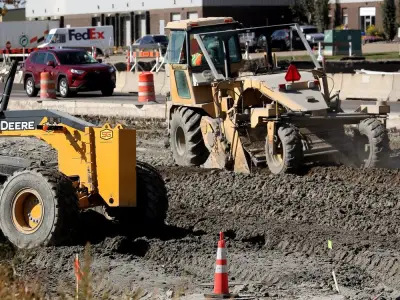
Lisa Garrett, a local ministry worker who voted for the current administration, expressed concerns that have become increasingly common among Trump's base. "I voted for this administration and didn't really think about AI until it started to affect me," Garrett explained, referencing the rapidly approved $6.6 billion, 400-acre data center development near her Independence home.

Her unease extends beyond the project's substantial demands on local water and electricity resources to broader societal implications. "I have grandchildren... It does concern me that they're being drawn into a world that isn't real," she said, voicing anxieties shared by many in conservative communities across America.

Administration's Pro-AI Stance

Over the past year, the Trump administration has actively courted technology billionaires while implementing policies designed to accelerate AI development. The White House has fast-tracked permits for data center construction, approved sales of advanced chips to China, and challenged state-level attempts to regulate AI technologies like chatbots.

Trump's AI advisors, led by Silicon Valley investor David Sacks, have warned Republican state legislatures against passing AI safety legislation and disputed claims that AI tools will cause significant job losses or environmental damage. The president himself has repeatedly emphasized that American dominance in artificial intelligence represents a "national security imperative."

Growing Conservative Resistance

Despite the administration's position, citizens, clergy members, and elected officials in traditionally conservative areas are leading a grassroots rebellion against the rapid deployment of AI technologies. Political strategists increasingly worry this resistance could undermine Republican chances of maintaining congressional majorities in November's midterm elections and potentially become a defining issue in the 2028 presidential race.

Brad Littlejohn, a director at the conservative think tank American Compass, warned: "There's a real danger here that you get a Democratic candidate who really builds their message around this... and wipes the floor because the Republicans have been pigeonholed as the friends of the AI companies."

Polling Reveals Widespread Concerns

Recent polling data confirms the depth of concern among Trump's supporters. A Public First survey conducted for the Financial Times found approximately 60 percent of Trump voters expressed worries about AI's rapid development, while nearly 80 percent believed the technology required stronger regulatory oversight.

Additional research by the Institute for Family Studies, an organization advocating for increased AI regulation, revealed that close to four-fifths of voters in Republican-leaning states want technology companies held legally liable for harming children through their AI products and platforms.

Practical Consequences of Opposition

The Trump administration's "build, baby, build" approach to AI development, as outlined in its AI Action Plan, has encountered practical obstacles due to local resistance. Dozens of data center projects have been stalled across multiple states including Kentucky, Georgia, Texas, and other traditional Republican strongholds where community opposition has prevented or delayed construction.

This growing tension between national AI ambitions and local concerns represents a significant political challenge for Republicans as they approach crucial midterm elections, with the potential to reshape political alliances and policy priorities in conservative communities nationwide.