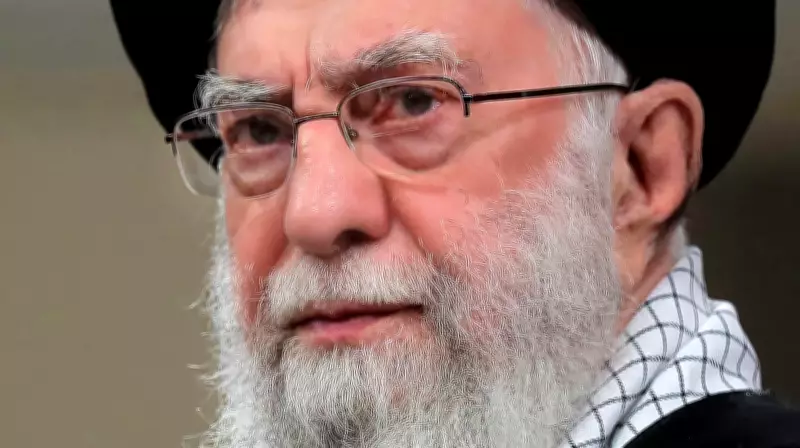
In a recent public statement, former U.S. President Donald Trump has made a bold and unverified claim that Iran's Supreme Leader, Ali Khamenei, is deceased. This assertion has sent shockwaves through political circles, as it directly conflicts with official reports from Iranian authorities and international media, which indicate that Khamenei remains alive and active in his role.
Background and Context of the Claim
Trump's remarks were delivered during a speech where he discussed various international issues, including U.S.-Iran relations. He did not provide any evidence or sources to support his statement about Khamenei's death, leading to immediate skepticism and concern among analysts and diplomats. The timing of this claim is particularly sensitive, given the ongoing tensions between the United States and Iran over nuclear negotiations and regional conflicts.
Reactions from Officials and Experts
Iranian officials have swiftly denied Trump's claim, labeling it as baseless and provocative. A spokesperson for the Iranian government reiterated that Supreme Leader Khamenei is in good health and continues to oversee the nation's affairs. Meanwhile, U.S. political analysts have expressed alarm, suggesting that such unfounded statements could exacerbate diplomatic strains and undermine efforts towards peaceful resolution.

International relations experts have noted that this incident highlights the volatile nature of political discourse in the digital age, where misinformation can spread rapidly and have real-world consequences. They emphasize the importance of verifying facts before making public declarations, especially on matters of global significance.
Potential Implications for U.S.-Iran Relations
The claim has raised questions about the future of U.S.-Iran relations, which have been fraught with challenges in recent years. If left unaddressed, such statements could fuel mistrust and hinder diplomatic progress. Additionally, it may impact public perception in both countries, potentially influencing policy decisions and international negotiations.
As the situation unfolds, observers are calling for clarity and restraint from all parties involved. The need for accurate information and responsible communication is paramount to avoid further escalation and maintain stability in the region.