The White House confirmed that U.S. officials are actively reviewing Iran's latest proposal, while reiterating firm red lines for any agreement to end the ongoing eight-week conflict. A key condition is preventing Tehran from acquiring a nuclear weapon.
Trump Convenes National Security Meeting
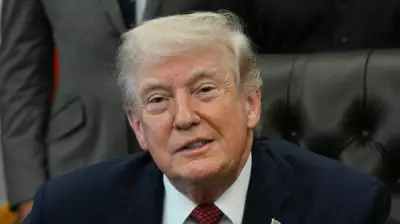
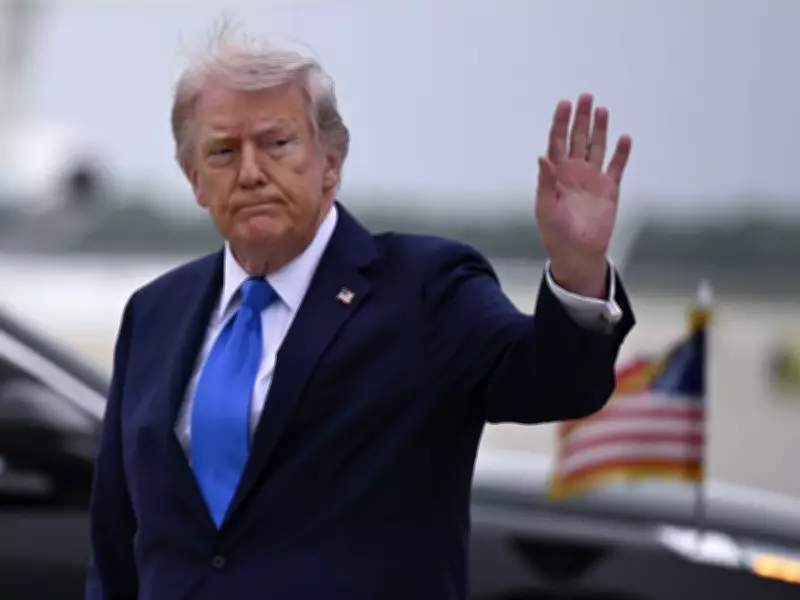
White House Press Secretary Karoline Leavitt announced on Monday that President Donald Trump had gathered national security officials earlier that day to deliberate on the Iranian proposal. She emphasized that Trump's red lines regarding Iran have been unequivocally communicated and that the president would address the matter publicly in the near future.
Iran's Interim Proposal
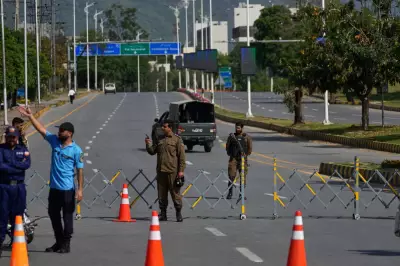
Reports indicate that Tehran has proposed an interim deal involving the reopening of the Strait of Hormuz in exchange for Washington ending its naval blockade of Iranian ports. This arrangement would defer more complex negotiations over Iran's nuclear program to a later stage. According to Axios, citing a U.S. official and two informed sources, Iran has also communicated to Pakistan that nuclear talks could be postponed, focusing instead on immediate maritime and security concerns.

Diplomatic Moves and Regional Reactions
Iranian Foreign Minister Abbas Araghchi, during a visit to Russia, reaffirmed Tehran's commitment to strengthening its partnership with Moscow. He stated that the Iranian people are capable of resisting U.S. aggression and overcoming it, as reported by Iran's state-owned Nour News. Additionally, Iranian media disclosed that Araghchi would convey to mediator Pakistan that the conflict could end if the U.S. lifts its naval blockade, agrees to a new legal framework for Strait of Hormuz traffic, and guarantees no future military action against Iran.
Oil Market Impact
Brent crude oil prices rose for the sixth consecutive session, exceeding US$108 per barrel by early afternoon in New York. U.S. oil climbed above US$96 per barrel. Oil traders have increased bullish positions as hopes for peace talks over the weekend faded, with the market focused on the supply crunch caused by the virtual halt of flows through the Strait of Hormuz.
International Frustration
Foreign leaders have expressed growing frustration over the prolonged conflict. German Chancellor Friedrich Merz remarked to a group of students that the U.S. is being "humiliated" by Iranian leaders and that he cannot discern the American exit strategy. Many Middle East analysts suggest that an interim deal, reopening the strait to lower fuel prices and ease global economic pressure, would be a practical first step, with nuclear negotiations to follow. Some Persian Gulf Arab and European leaders believe such talks could take at least six months, according to Bloomberg.