Trump Declares 10-Day Ceasefire Between Israel and Lebanon
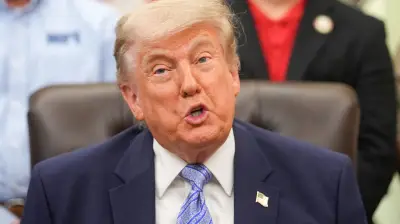
In a significant development in the ongoing Middle East conflict, former U.S. President Donald Trump has announced that Israel and Lebanon have agreed to a temporary 10-day ceasefire. This statement comes amid heightened tensions and military engagements in the region, which have drawn international concern and involvement.
Details of the Ceasefire Agreement
According to Trump, the ceasefire is set to last for ten days, providing a brief respite in hostilities. While specific terms of the agreement have not been fully disclosed, the move is seen as a potential step toward de-escalation. However, it remains unclear how this ceasefire will be enforced or monitored, given the complex geopolitical dynamics at play.
The announcement was made on April 16, 2026, with Trump emphasizing the need for peace talks to progress. He has been vocal about his approach to the conflict, previously criticizing Iran's role and advocating for a tougher stance. In related comments, Trump suggested that the war involving Iran is "close to over," despite ongoing blockades and military actions.

Broader Implications of the Middle East Conflict
The conflict in the Middle East has far-reaching consequences beyond the immediate region. Economic analysts warn of a possible "global recession" due to disruptions in oil and gas markets, which have seen price volatility. Additionally, the war has impacted medical helium supplies, raising concerns for healthcare systems worldwide, including in Canada.
On the diplomatic front, Trump's announcement aligns with his broader foreign policy stance, which has often focused on direct negotiations and unilateral actions. His criticism of allies, such as recent remarks about European leaders, underscores the divisive nature of his approach. Meanwhile, other global leaders, like Finland's Stubb, have reaffirmed their pro-American positions amid such tensions.
Regional and Global Reactions
Reactions to the ceasefire news have been mixed. Some observers view it as a positive step toward reducing violence, while others remain skeptical about its sustainability. The conflict has also influenced sports and cultural events, with FIFA president Infantino confirming Iran's participation in the World Cup despite the war, highlighting the intersection of politics and international competitions.
In Canada, the health-care system is closely monitoring the helium shortage linked to the conflict, as it affects medical equipment and procedures. This underscores how regional conflicts can have tangible effects on daily life and essential services in distant countries.
Looking Ahead
As the ceasefire takes effect, attention will turn to whether it can pave the way for longer-term peace negotiations. The Middle East conflict continues to be a focal point of global politics, with implications for security, economy, and international relations. Stakeholders are urged to support diplomatic efforts to prevent further escalation and address humanitarian concerns in the region.