The Trump administration has initiated a strategic move to ease fuel shipments specifically to Cuba's emerging private sector, according to individuals with direct knowledge of the plan. This action forms a critical component of a broader strategy designed to make the island nation increasingly reliant on United States supplies. The ultimate objective is to amplify Washington's leverage, creating conditions conducive to significant political and economic transformation within Cuba.
Energy Crisis as a Catalyst for Change
A severe quarantine on crude oil shipments to Cuba, precipitated by U.S. actions including the capture of Venezuela's leader and the imposition of tariffs that deterred Mexico, has pushed the Caribbean nation to the brink of a humanitarian crisis. This acute energy shortage is anticipated to compel the Havana government to accept oil under conditions dictated by the United States. Analysts suggest this provides the Trump administration with a potent mechanism to challenge the Communist Party's uninterrupted grip on power, which has endured for over six decades.
Strategic Components of the U.S. Plan
The evolving strategy involves multiple coordinated efforts. A key element is reassuring American energy companies that they can legally sell oil and fuel to private Cuban small and medium-sized enterprises. Furthermore, the plan authorizes the resale of Venezuelan oil to Cuba under specific, favorable licensing policies implemented by the Treasury Department's Office of Foreign Assets Control, though sales directly benefiting the Cuban government remain strictly prohibited.

When questioned about this approach, a White House official characterized Cuba as "a failing nation" whose rulers have suffered a major setback due to the loss of support from Venezuela and the cessation of oil shipments from Mexico.
Shifting Decades of Economic Alignment
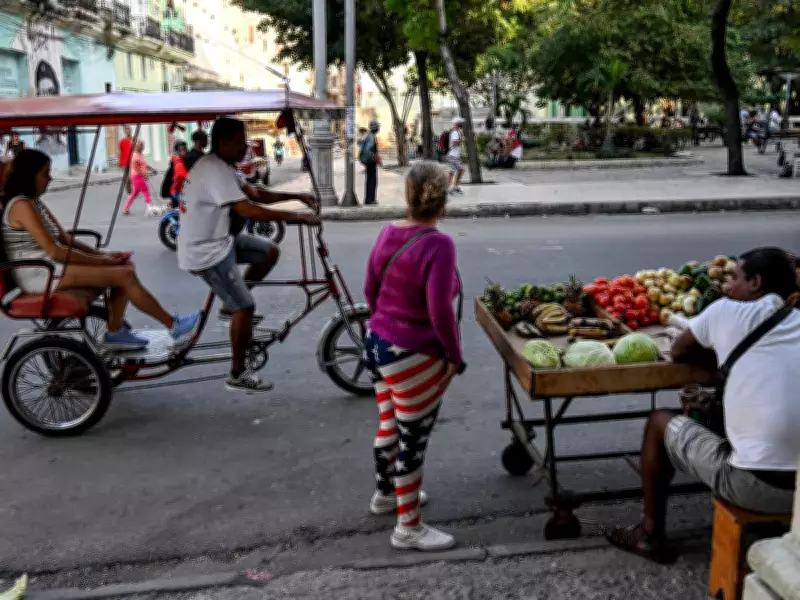
Confronted with this dire energy situation, the Cuban government has recently begun permitting private businesses to import fuel under certain regulations. Although current shipment volumes remain modest, the long-term goal is to significantly scale these imports. The aim is to establish U.S. companies as the primary oil source for Cuba's private sector, thereby displacing decades of dependence on shipments from leftist allies traditionally friendly to the Havana regime.
"This new strategy signals that the Trump administration is recognizing the Cuban private sector as a legitimate partner on the ground," said Ricardo Herrero, executive director of the Washington-based Cuba Study Group. "It's not something that's going to replace an entire oil industry, but it's going to get fuel to where it's needed the most."
Volatile Context and Recent Tensions
The strategic planning continues amidst a highly volatile environment. Tensions escalated following a fatal encounter where Cuban Coast Guard forces shot and killed four individuals from a group of ten Cubans residing in the U.S. aboard a Florida-registered speedboat off the Cuban coast. Cuban authorities claimed the group was heavily armed and planning an insurrection.
In response, U.S. Secretary of State Marco Rubio announced at a Caribbean leaders summit that the United States would conduct its own investigation before reaching conclusions. Despite this incident, sources indicate it is unlikely to derail the broader Washington strategy aimed at increasing Cuba's economic and energy dependence on the United States.
This approach unfolds against the backdrop of the longstanding U.S. comprehensive trade embargo on Cuba, in place since 1962. The United Nations General Assembly has repeatedly called for an end to these measures, citing their severe negative impacts on basic goods availability, poverty levels, healthcare, and the overall Cuban economy.