Trump Presses Forward with Iran Military Strikes Despite Midterm Election Warnings
President Donald Trump is advancing military action against Iran, disregarding significant political risks as the United States approaches crucial midterm elections. This aggressive posture comes amid a rapidly widening conflict in the Middle East, with Hezbollah launching strikes against Israel and multiple Arab states reporting attacks on U.S. military bases.
Escalating Tensions and Regional Fallout
The situation has intensified dramatically following recent U.S. and Israeli strikes on Iranian targets. Civilian casualties are mounting, causing increased panic across the region. In a concerning development, a fighter jet crashed in Kuwait, though the crew successfully ejected. Meanwhile, Iran's nuclear ambitions continue to be a focal point, with analysts describing the nation as having "a conventional gun to our head" regarding its nuclear capabilities.
David Fraser, a security analyst, noted that "Hezbollah striking Israel indicates how widening this conflict is getting." The exchange of fire between Israel and Hezbollah represents a dangerous escalation that threatens to draw additional regional actors into the confrontation.

Political Calculations and Domestic Implications
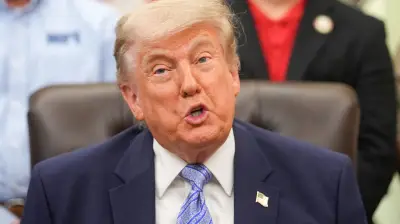
Despite warnings from political advisors about potential voter backlash, Trump has told CNN that "the 'big wave' is yet to come" in the war with Iran. This stance creates a complex political landscape as Republicans seek to maintain control of Congress in the upcoming midterms. The administration's approach has sparked debate about whether military action could mobilize voters or instead alienate key constituencies.
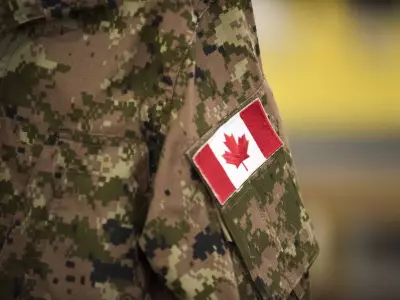
Canada has called for diplomatic solutions but has stopped short of declaring recent strikes illegal. Prime Minister Carney emphasized unity, stating "We are one family" while inviting international leaders to discuss the crisis.
Global Economic and Security Consequences
The conflict is already affecting global markets, with energy prices surging due to tanker disruptions and facility shutdowns that are rattling international supply chains. The Bank of Canada has acknowledged that sometimes rate hikes are necessary even when the economy shows weakness, a position that may be tested by current geopolitical instability.
In the technology sector, Nvidia announced plans to invest billions in companies like Lumentum and Coherent to bolster AI processor development, even as hackers have targeted Iranian apps and websites following the U.S.-Israeli strikes.
International Reactions and Humanitarian Concerns
Protests have emerged worldwide, including a Vancouver rally calling for democracy in Iran after the supreme leader's death. Edmonton residents similarly gathered following the killing of the Iranian leader, with participants expressing hope for peaceful resolution.
The civilian death toll continues to rise, creating humanitarian challenges across the region. As the conflict expands to include attacks on Arab states and U.S. bases, international observers worry about further escalation that could involve additional nations.
France has announced it will allow temporary deployment of nuclear-armed jets to allied nations, while Germany and South Korea have presented submarine bids that don't include new auto plants but offer other strategic advantages.
As the situation develops, all eyes remain on Washington's next moves and how they might influence both the conflict's trajectory and domestic American politics during this critical election season.