Trump Suggests Seizing Iran's Oil While Claiming Deal Could Be Made Quickly
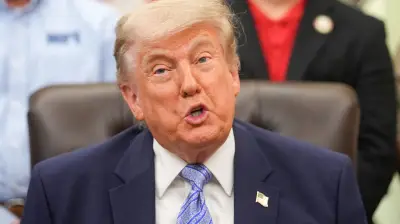
In a revealing interview with the Financial Times published Monday, U.S. President Donald Trump expressed a desire to take Iran's oil and suggested American troops could potentially seize the country's critical Kharg Island export terminal. This statement came alongside his assertion that a deal to end the ongoing war with Tehran "could be made fairly quickly."
Diplomatic Claims Amid Military Escalation
Trump's comments highlight the contradictory nature of current U.S. policy toward Iran. While repeatedly stating that negotiations are ongoing and progressing well, the president has simultaneously escalated military threats as thousands more U.S. Marines and troops deploy to the Middle East. Tehran has consistently denied engaging in direct negotiations with Washington.
"Maybe we take Kharg Island, maybe we don't," Trump told the Financial Times. "We have a lot of options." He further revealed that the U.S. maintains approximately 3,000 potential targets in Iran that could still be struck, yet maintained that a diplomatic resolution remains possible.

The president elaborated to reporters aboard Air Force One late Sunday, claiming the U.S. was negotiating "directly and indirectly" with Iran. "We're doing extremely well in that negotiation but you never know with Iran because we negotiate with them and then we always have to blow them up," Trump stated, referencing two previous instances during his second term when the U.S. attacked Iran during negotiations.
Regional Attacks Intensify
On the ground, the conflict shows no signs of abating. Iran launched attacks on multiple fronts:
- Striking a crucial water and electrical desalination plant in Kuwait, killing one worker and injuring ten soldiers
- Targeting an oil refinery in Haifa, Israel, one of only two in the country
- Continuing pressure on Gulf Arab neighbors with missile attacks intercepted in Saudi Arabia, Bahrain, and Dubai
Israel responded with a new wave of strikes on what it described as "military infrastructure" across Tehran, while explosions were reported in the Iranian capital. Iranian state media confirmed damage to a petrochemical plant in Tabriz following an airstrike.
Diplomatic Efforts and Regional Reactions
The diplomatic landscape remains uncertain. Iranian Foreign Ministry spokesman Esmail Baghaei acknowledged receiving a 15-point proposal from the Trump administration but confirmed no direct negotiations have occurred. Meanwhile, Iran's parliament speaker Mohammad Bagher Qalibaf dismissed talks facilitated by Pakistan as a cover for increased U.S. troop deployment.
Regional allies are showing signs of strain. Spain has closed its airspace to U.S. planes involved in the Iran conflict and prohibited the use of jointly operated military bases for related operations, with Prime Minister Pedro Sánchez's government emerging as Europe's most critical voice against U.S. and Israeli military actions.
Economic and Humanitarian Consequences
The conflict's economic impact continues to grow:
- Brent crude oil prices have surged to approximately $115 per barrel, representing a nearly 60% increase since the war began on February 28
- Iran's attacks on regional energy infrastructure and control over the Strait of Hormuz—through which one-fifth of global oil shipments pass—have raised concerns about a potential global energy crisis
The human cost continues to mount across multiple fronts:
- Iran: Over 1,900 reported deaths
- Israel: 19 confirmed fatalities
- Lebanon: More than 1,200 killed, including 12 soldiers, with over 1 million displaced
- Iraq: 80 security force members dead
- Gulf states: 20 fatalities
- United States: 13 service members killed
Strategic Challenges and Future Prospects
Military experts note that seizing Kharg Island would present significant challenges. An amphibious invasion force would need to transit the Strait of Hormuz and most of the Persian Gulf, while holding the island would be complicated by its proximity to the Iranian mainland, placing it within artillery range.

Iran has threatened to launch its own ground invasion of Gulf Arab countries and mine the Persian Gulf if U.S. troops land on its territory, further complicating potential military operations.
As Pakistan announces plans to host talks between the U.S. and Iran "in the coming days," the international community watches closely to see whether diplomatic efforts can gain traction amid escalating violence and contradictory statements from Washington.