Trump Issues Stark Warning Over Iran's South Pars Gas Field
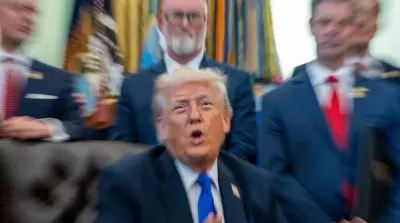
In a dramatic escalation of the ongoing Middle East conflict, U.S. President Donald Trump has threatened to completely destroy the world's largest natural gas field if Iran launches another attack on Qatar. The warning came via a late Wednesday social media post on Truth Social, where Trump stated the United States would "massively blow up the entirety" of Iran's South Pars gas field in retaliation for any further strikes against Qatar.
Background of the Escalating Conflict
The threat follows a series of retaliatory attacks that have intensified over the past three weeks. Earlier on Wednesday, Israeli forces targeted sections of the South Pars gas field in Iran. In response, Iran launched missiles at Qatar's natural gas facilities, causing what Qatari authorities described as "extensive" damage and sparking significant fires. Trump claimed in his post that the U.S. "knew nothing" about Israel's initial attack on South Pars, though sources familiar with the matter indicated American officials were informed about Israel's plans beforehand.
Global Energy Markets React Violently
The conflict has triggered immediate and severe repercussions in global energy markets:

- International benchmark Brent crude oil prices surged to nearly $114 per barrel, up dramatically from under $73 per barrel before the conflict began
- The European TTF benchmark for natural gas prices traded 24% higher on Thursday
- Fears of a prolonged global energy crisis intensified as the Strait of Hormuz remained closed to tanker traffic
The South Pars gas field represents a critical component of global energy infrastructure, capable of supplying approximately one-fifth of the world's natural gas. Additional Iranian attacks targeted two Kuwaiti oil refineries, further compounding market anxieties.
Trump's Detailed Justification
In his social media statement, Trump emphasized that Qatar "was in no way, shape, or form, involved" in Israel's attacks on South Pars. He criticized Iran for what he called an "unjustifiably and unfairly" attack on Qatar. Despite expressing reluctance about authorizing such destruction due to long-term implications for Iran's future, Trump made clear he would "not hesitate to do so" if Qatar's liquefied natural gas sites faced additional attacks.
Congressional Perspective on the Conflict
American House Speaker Mike Johnson provided additional context on the situation, though he avoided labeling it as a formal war. Johnson acknowledged the conflict in the Strait of Hormuz was "dragging it out a little bit" but asserted that the original mission objectives had largely been achieved. "We were trying to take out the ballistic missiles and their means of production, and neuter the Navy, and those objectives have been met," Johnson stated. He expressed confidence that "as soon as we bring some calm to the situation, I think it's all but done."
Broader Implications and Regional Dynamics
The conflict has exposed complex regional dynamics and international tensions. Trump revealed he had requested countries with interests in the region to help secure the Strait of Hormuz, expressing frustration that "those requests were rebuffed." The situation continues to evolve rapidly, with global leaders monitoring developments closely as energy prices fluctuate and military postures remain heightened throughout the Middle East.