Trump Urges Israel to Cease Attacks on Iranian Gas Infrastructure Amid Escalating Energy Crisis
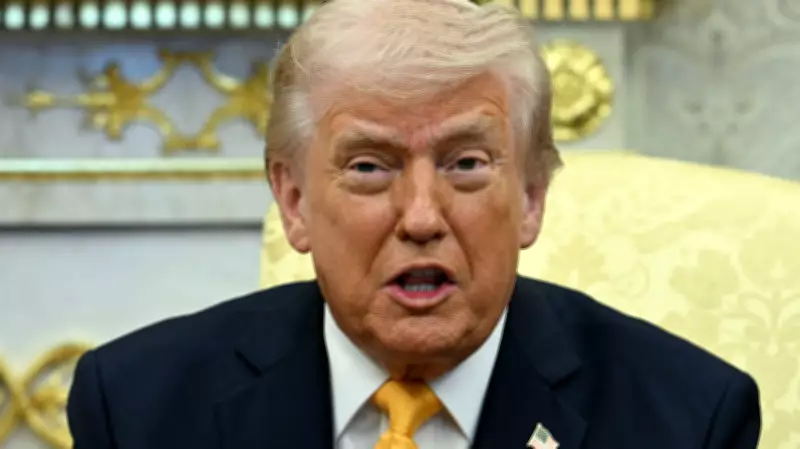
U.S. President Donald Trump publicly stated on Thursday that he had instructed Israeli Prime Minister Benjamin Netanyahu to refrain from repeating attacks on Iranian natural gas infrastructure. This directive came as tit-for-tat strikes between Israel and Iran sent global energy prices spiraling, intensifying the ongoing U.S.-Israeli military campaign against Iran.
Energy Markets in Turmoil Following Iranian Retaliation
Energy prices surged sharply on Thursday after Iran retaliated against an Israeli attack on a major gas field by targeting Qatar's Ras Laffan Industrial City. This facility processes approximately one-fifth of the world's liquefied natural gas, sustaining damage that experts estimate will require years to repair. Additionally, Saudi Arabia's primary port on the Red Sea, which had been diverting exports to circumvent Iran's closure of the Strait of Hormuz, was also struck. These incidents highlight Iran's persistent capability to inflict significant economic costs on its adversaries and expose vulnerabilities in the air defense systems protecting the Gulf's most critical energy assets.
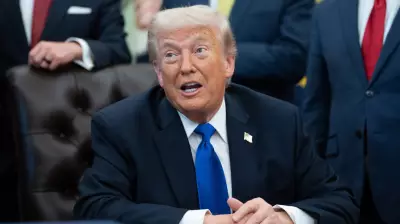
President Trump, facing political pressure from rising fuel prices among his core supporters, has criticized allies for their cautious responses to his calls for securing the Strait of Hormuz—a vital channel for about 20% of global oil shipments. In a meeting with Japanese Prime Minister Sanae Takaichi at the Oval Office, Trump emphasized his stance, telling reporters, "I told him, 'Don't do that', and he won't do that." He further clarified that he has no immediate plans to deploy additional U.S. ground troops to the region, despite internal discussions about potential troop increases.

Conflicting Narratives and Strategic Divergences
Prime Minister Netanyahu later confirmed that Israel acted independently in bombing Iran's South Pars gas field and acknowledged Trump's request to halt such attacks. He asserted that Iran has been severely weakened, losing its capacity to enrich uranium or produce ballistic missiles after 20 days of sustained air assaults. However, Netanyahu hinted that achieving regime change in Iran would necessitate a "ground component," without providing further details. As he spoke, Iran launched a new missile barrage toward Israel, according to statements from both nations' military authorities.
The coordination between the U.S. and Israel appears fraught with inconsistencies. While Trump claimed unawareness of the South Pars attack, three Israeli officials indicated that the operation was conducted in consultation with the United States, though it is unlikely to be repeated. U.S. Defense Secretary Pete Hegseth maintained that American war objectives remain "unchanged, on target and on plan," but Director of National Intelligence Tulsi Gabbard revealed a strategic divergence, noting that Israel focuses on disabling Iranian leadership, whereas Trump aims to destroy Iran's ballistic missile capabilities and naval forces.
Global Response and Economic Fallout
With the conflict showing no signs of abating after nearly three weeks, fears of a global "oil shock" are mounting. In response, Britain, Canada, France, Germany, Italy, the Netherlands, and Japan issued a joint statement expressing their readiness to support efforts ensuring safe passage through the Strait of Hormuz and to stabilize energy markets by collaborating with oil-producing nations to boost output. However, German Chancellor Friedrich Merz emphasized that any involvement in securing the strait would only occur after hostilities cease, reflecting broader skepticism among U.S. allies about the war's ambiguous objectives and limited control.
The economic repercussions are severe and widespread:

- Brent crude oil futures rose nearly 3% to $110.35, after earlier spikes of up to 10%.
- European near-term gas prices increased by over 15%, cumulatively jumping more than 60% since the conflict began.
- Stock markets in Japan and South Korea fell around 3%, while European indices dropped 2.3%, hitting multi-month lows.
- The Dow Jones Industrial Average declined approximately 1%, as inflation concerns prompted central banks like the European Central Bank and Bank of England to hold interest rates steady, with investors now anticipating hikes by year-end.
QatarEnergy's CEO reported that the Iranian attacks have incapacitated one-sixth of Qatar's LNG export capacity, valued at $20 billion annually, with repairs expected to take three to five years. Additional strikes have forced the UAE to shut its Habshan gas facility and ignited fires at two Kuwaiti oil refineries, further straining global energy supplies.
Funding Challenges and Escalating Threats
The Trump administration is seeking an additional $200 billion in funding for the war effort, but faces significant opposition in the U.S. Congress, which must approve the expenditure. Meanwhile, Iran's military spokesman Ebrahim Zolfaqari warned that any further strikes on Iranian energy infrastructure would trigger relentless attacks on U.S. and allied facilities, declaring a "new stage in the war." This escalating rhetoric underscores the high stakes and potential for prolonged conflict, as international leaders scramble to mitigate the economic and humanitarian impacts.