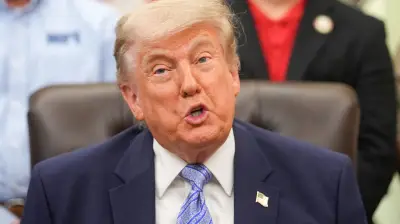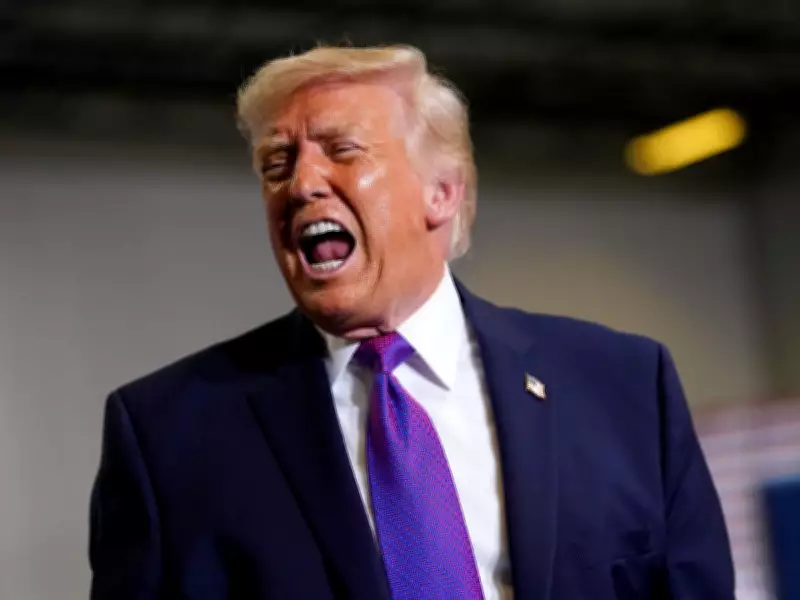
In the landscape of modern American politics, a recurring pattern has emerged during the Donald Trump era. The U.S. president frequently engages in behavior that defies norms, whether through provocative statements or unconventional actions. When elected Republicans voice objections, the response from Trump and his supporters often involves attacking the critics rather than addressing the issues. This dynamic persists across both significant events, such as discussions of Jan. 6 pardons, and minor incidents, like late-night social media posts.
The Core of Trump's Diplomatic Approach
The essence of this strategy can be described as a low-road-for-me-high-road-for-thee dynamic. It operates on the belief that Trumpism functions as a one-way street. Insulting Trump, even when justified, is strictly prohibited, while his own antics are expected to be celebrated, defended, or ignored as circumstances dictate. Crucially, Trump should never face consequences for his actions, creating a lopsided framework that prioritizes his interests above all else.
Global Reactions to Trump's Tactics
Recently, this domestic pattern has expanded to the international stage, provoking significant backlash from longtime allies. NATO members, for instance, have refused to permit American jets to operate from or over their territories. They have also declined to assist in securing the Strait of Hormuz, highlighting growing tensions. French President Emmanuel Macron has gone further, calling for a coalition to oppose both the United States and China, signaling a dramatic shift in transatlantic relations.

Trump possesses a knack for infuriating allies through a series of actions and statements. While some may dismiss these as strategic maneuvers to encourage higher defense spending, the cumulative effect has been deeply damaging. During his second term, Trump falsely claimed that NATO allies would never fight on America's behalf, despite NATO invoking Article 5 after the 9/11 attacks. He later revised this in Davos, Switzerland, suggesting allies stayed back from front lines in Afghanistan, which angered leaders and citizens alike.
Specific Incidents Straining Alliances
Threats and Mockery: Trump's threats to go to war with Denmark over Greenland were so severe that Denmark had to prepare for potential conflict. Similarly, he poisoned relations with Canada by repeatedly suggesting it should become the 51st state. These actions have eroded trust and cooperation.
Military and Trade Policies: Trump cut off most direct military aid to Ukraine, pressuring Europe to purchase American weapons instead. He also abrogated trade agreements, imposing massive tariffs on allies and pushing many toward trade deals with China. His erratic policy shifts have destabilized allied economies.
Perceptions of Corruption: Trump's openness to receiving gifts from foreign entities, such as a plane from Qatar or a crown from South Korea, has damaged the perception of shared values. Allies view these actions as transactional, undermining diplomatic integrity.
The Impact on International Perception
Trump's surprise war on Iran, launched without consulting allies, further strained relationships. When British Prime Minister Keir Starmer offered to send aircraft carriers, Trump mocked him on Truth Social, stating, "We don't need people that join Wars after we've already won!" This dismissive attitude has fueled resentment.
Globally, Trump's popularity is strikingly low. In January, his approval rating was just 16% in the U.K. and 4% in Denmark. One in five Europeans now sees the U.S. as a greater threat than China or North Korea, reflecting a profound loss of confidence. While Trump's tactics may resonate with his domestic base, they fail to translate internationally, where he cannot influence primary challenges against allied leaders.
Strategic Implications and Future Outlook
The refusal of Trump and his defenders to acknowledge why allies are reluctant to cooperate is a significant obstacle. Europe faces skyrocketing energy prices due to conflicts and still relies on U.S. security, yet the humiliation inflicted by Trump's actions makes collaboration politically difficult. Trump would never take a political hit for an ally, yet he expects unwavering support in return.

This analysis underscores a critical flaw in Trump's foreign policy: his one-way-street approach ignores the mutual respect required for effective international partnerships. As alliances fray, the long-term consequences for global stability and American influence remain uncertain, highlighting the need for a more balanced diplomatic strategy.