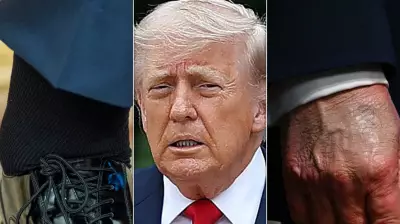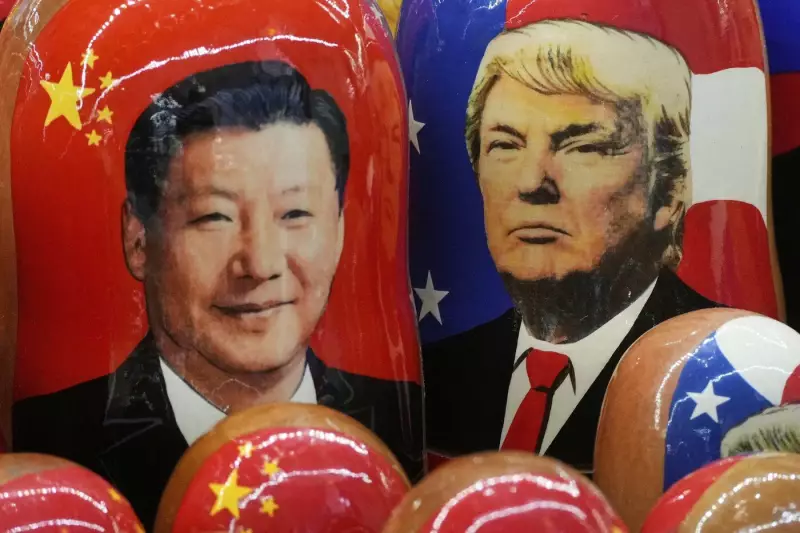
The conspicuous absence of former President Donald Trump from a major Asian economic forum has raised serious questions about America's commitment to the Asia-Pacific region at a critical geopolitical moment. The Asia-Pacific Economic Cooperation (APEC) summit, currently underway, finds the United States without its most prominent political figure while China aggressively expands its economic influence.
Diplomatic Vacuum Creates Opportunity for Rivals
Trump's decision to skip the high-profile gathering comes as multiple world leaders, including China's Xi Jinping, actively court regional partners. This creates a visible power vacuum that competitors are eager to fill. American business leaders and diplomats expressed concern that this absence signals declining US engagement in a region representing nearly 40% of global GDP.
The timing couldn't be more significant. With major trade agreements being negotiated and supply chain realignments underway, America's voice appears notably absent from crucial conversations shaping the future of international commerce.

Contrasting Leadership Approaches
While Trump remains stateside, Chinese President Xi Jinping has taken center stage, using the platform to promote Beijing's vision for regional economic integration. This stark contrast in engagement strategies hasn't gone unnoticed by attending delegates and analysts.
"When you have the world's largest economy essentially sitting out while the second-largest economy actively courts partners, it creates perception problems," noted one Asian diplomat who requested anonymity due to the sensitivity of the matter.
Business Community Expresses Concern
American corporate representatives at the summit reported growing anxiety about potential consequences. Several executives noted that partners from Southeast Asian nations are increasingly looking toward China for leadership on trade and investment frameworks.
The concerns extend beyond mere symbolism. With the Regional Comprehensive Economic Partnership moving forward without US participation, many regional players are making practical decisions about their economic futures—decisions that could marginalize American interests.
Long-term Implications for US Influence
Foreign policy experts warn that patterns of disengagement from Asian multilateral forums could have lasting consequences. The perception of American unreliability as a partner may push traditionally US-aligned nations toward alternative arrangements where China plays a central role.
This development occurs against the backdrop of ongoing trade tensions and questions about America's long-term strategy in the Indo-Pacific. The absence of high-profile American political leadership from key regional gatherings only amplifies these uncertainties.
As the APEC meetings continue, the empty chair where Trump might have sat serves as a powerful metaphor for broader questions about America's role in shaping Asia's economic future.