Trump's Final Years: Lame Duck or Heightened Threat to Canada?
As Canada grapples with renewed tariff threats and White House ultimatums, attention in Ottawa and business circles is shifting toward a critical question: With U.S. President Donald Trump declaring he won't run again in 2028, will his final years in office finally bring relief to Canada or escalate existing tensions?
The Lame Duck Debate Intensifies
Washington scholars are divided on Trump's trajectory. Some express concern he might challenge the 22nd Amendment, which limits presidents to two terms, while others observe increasing signs of lame duck behavior as his presidency winds down. The looming midterm elections represent a potential turning point, with speculation that after November, fellow Republicans may begin prioritizing their own political futures over allegiance to Trump.
This potential shift could significantly reshape multiple policy areas affecting Canada, including trade agreements, border control measures, and defense cooperation frameworks. However, current evidence suggests no immediate change in Trump's approach toward Canada.

Recent Escalations in Tensions
In recent weeks, Trump has threatened dramatic actions against Canadian interests, including grounding all Canadian-made aircraft over FAA certification disputes and imposing 100% tariffs on Canadian imports if Canada engages in trade with China. This week brought another escalation with Trump demanding 50% federal ownership of the Gordie Howe International Bridge, jeopardizing the reopening of this vital trade corridor between Detroit and Windsor.
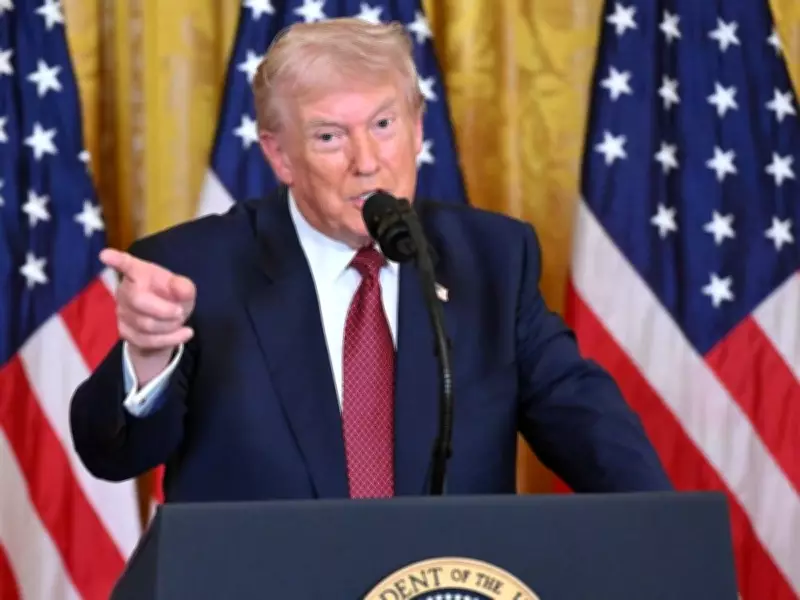
"I will not allow this bridge to open until the United States is fully compensated for everything we have given them, and also, importantly, Canada treats the United States with the Fairness and Respect that we deserve," Trump declared in a social media post on Monday, adding, "With all that we have given them, we should own, perhaps, at least one half of this asset. The revenues generated because of the U.S. Market will be astronomical."
Canada's Strategic Dilemma
As Canada contends economically and psychologically with Trump's tariff wars, annexation rhetoric, and escalating demands, many Canadian business leaders, politicians, and citizens naturally hope that Trump's waning tenure might ease bilateral pressures. Yet the fundamental question remains: Will a lame-duck Trump prove better or worse for Canadian interests?
The answer may hinge on how "lame" Trump actually becomes. Unlike traditional presidents who rely on congressional cooperation and legislative horse-trading, Trump has consistently bypassed Congress through executive actions and unilateral decisions.
"Trump's doing things unilaterally anyway," noted Douglas Holtz-Eakin, president of the American Action Forum, suggesting this approach makes Trump "less prone to lame-ness" than predecessors. "All these erratic things that he can do on his own, he will continue," Holtz-Eakin added, implying that Trump's capacity to disrupt Canada-U.S. relations may persist regardless of his political standing.
This creates a complex scenario for Canadian policymakers who must navigate the remaining years of Trump's presidency while preparing for potential political transitions in Washington. The uncertainty extends beyond trade to encompass environmental regulations, energy policies, and security cooperation—all areas where Trump's unilateral actions have previously created challenges for Canada.
As the clock slowly ticks down on Trump's presidency, Canadian officials face the delicate task of managing immediate crises while positioning Canada for whatever political landscape emerges post-Trump. The coming months will reveal whether Trump's final years bring the relief many Canadians hope for or validate concerns about an increasingly unpredictable neighbor to the south.