Trump's Greenland Ambitions Test MAGA's European Far-Right Alliances
President Donald Trump's persistent ambitions to acquire Greenland are placing significant strain on the political and diplomatic relationships between the MAGA movement and Europe's far-right factions. This development emerges as a complex geopolitical puzzle, intertwining territorial aspirations with ideological alliances.
A Shifting Diplomatic Landscape
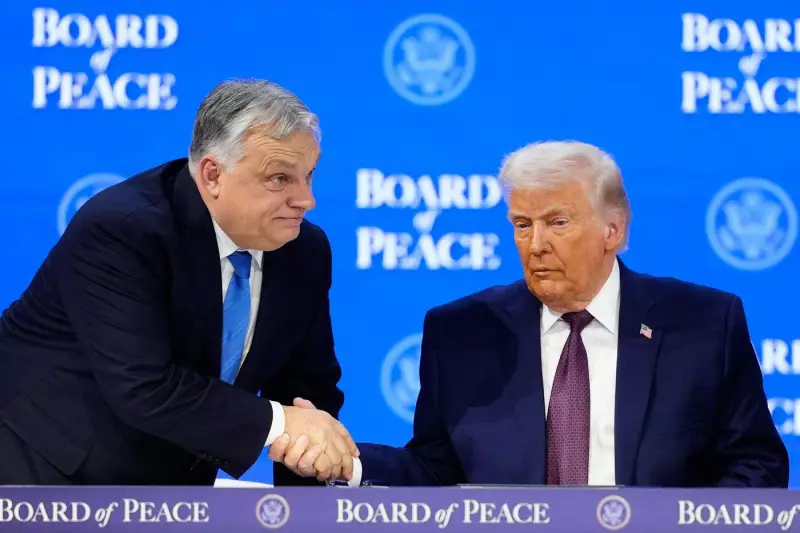
The recent imagery of President Trump shaking hands with Hungarian Prime Minister Viktor Orban at the World Economic Forum in Davos, Switzerland, in January 2026, symbolizes a partnership that now faces new pressures. While the meeting was framed around a "Board of Peace" initiative, underlying tensions are becoming more apparent. Trump's vocal interest in Greenland, a vast autonomous territory within the Kingdom of Denmark, is not merely a revival of a 2019 proposal but a strategic move with broader implications.
This ambition directly challenges European sovereignty norms and creates a delicate situation for far-right leaders in Europe who have historically aligned with Trump's populist rhetoric. Figures like Orban, who often champion national sovereignty and anti-globalist stances, find themselves in a paradoxical position. Supporting Trump's Greenland push could undermine their own domestic platforms centered on territorial integrity and independence from external influence.

The Broader Context of Trade and Tariffs
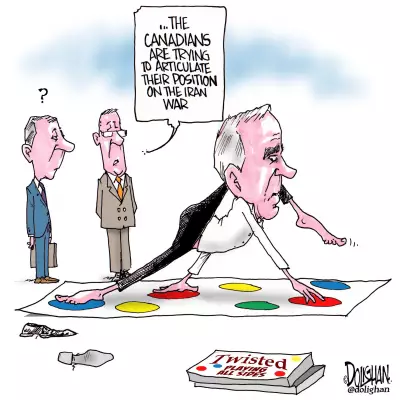
Compounding the diplomatic strain are Trump's concurrent threats of imposing 100% tariffs on various trading partners, including references to figures like "Carney" in a context that suggests economic confrontation. These protectionist measures threaten to destabilize global trade networks, affecting allies and adversaries alike. For European far-right parties, many of which have leveraged economic nationalism, Trump's aggressive tariff policies present both an ideological alignment and a practical risk to their nations' economies.
Experts warn that such tariff threats against Canada, for instance, will hurt both countries, highlighting the interconnected nature of modern economies. This economic uncertainty further complicates the political calculus for European allies, forcing them to balance ideological sympathy with pragmatic national interests.
China's Role and the Arctic Calculus
Adding another layer to this geopolitical drama is China's stated position. Reports indicate that China's envoy has claimed Beijing and Ottawa are "eye to eye" on supporting Greenland, suggesting a coordinated or at least parallel approach to Arctic interests. This introduces a competitive dimension to Trump's ambitions, framing Greenland not just as a real estate acquisition but as a strategic asset in the increasingly contested Arctic region.
The far-right in Europe, which often views China with suspicion, must now navigate a scenario where Trump's actions could inadvertently bolster Chinese influence or create new alliances that counter their own interests. This complex interplay of sovereignty, trade, and great-power competition defines the current challenge to MAGA's transatlantic relationships.
Implications for Future Alliances
The strain over Greenland ambitions signifies a potential inflection point for the populist alliance that has characterized much of the past decade. As Trump continues to pursue policies that prioritize American interests in a unilateral fashion, even ideologically aligned European leaders may find it increasingly difficult to maintain unwavering support. The situation underscores the fragile nature of political partnerships built on personal rapport rather than institutional agreements.
Moving forward, the response from figures like Viktor Orban and other far-right European leaders will be closely watched. Will they temper their support, issue diplomatic critiques, or double down on their alignment with Trump? The outcome will not only affect bilateral relations but also reshape the landscape of international populist movements in the years to come.