Trump's Ultimatum to Iran Raises Stakes in Escalating Conflict
President Donald Trump has issued a stark warning to Iran, threatening to obliterate the nation's entire electrical infrastructure if it does not comply with his demands by Tuesday night. This potential action, widely condemned as a war crime, could intensify the already severe economic and humanitarian toll of the ongoing conflict. Speaking at the White House, Trump emphasized his deadline, stating that failure to capitulate would plunge Iran into a "Stone Ages" existence with no bridges or power plants.
Retaliation Risks and Civilian Suffering
Military and Iran experts warn that such an attack on civilian infrastructure would likely provoke retaliatory strikes from Iran against U.S. allies in the Gulf region and Israel. Ray Takeyh of the Council on Foreign Relations noted, "Iran's only retaliatory capability is to target America's immediate allies in the Gulf, and Israel, if possible." Since the war began, Iran has targeted military sites used by U.S. forces in countries like Kuwait, the UAE, Bahrain, Qatar, and Saudi Arabia, but escalation could shift focus to critical civilian assets.
Mona Yacoubian, an analyst at the Center for Strategic and International Studies, highlighted the danger: "Iran has already demonstrated both its willingness and ability to retaliate in kind should the U.S. and Israel escalate strikes on Iranian civilian infrastructure. Bahrain and the UAE are among the likely countries to be hit." A particularly grave concern is attacks on water desalination plants in Gulf states, which are vital for drinking water in these desert nations and could exacerbate human suffering.

Humanitarian and Economic Impacts
The conflict has already resulted in significant casualties, with 13 U.S. service members killed and hundreds injured. U.S. and Israeli strikes in Iran have claimed approximately 1,500 Iranian civilian lives, including 175 at a girls' school during the initial attacks. Retaliation targeting desalination plants or oil facilities could worsen these numbers and disrupt essential resources.
Economically, the war has driven crude oil prices up by about 50% since its inception, with gasoline prices in the U.S. increasing by over a dollar per gallon. Industry executive Matt Randolph cautioned that further escalation, such as Iran closing the Bab el-Mandeb Strait with Houthi allies in Yemen, could cause oil prices to surge dramatically. He recalled a 2024 incident where Iran briefly closed the strait, stating, "If the response by Iran is to close the Bab el-Mandeb Strait, and I believe they will, then oil prices jump a lot."
Trump's Unclear Demands and Rhetoric
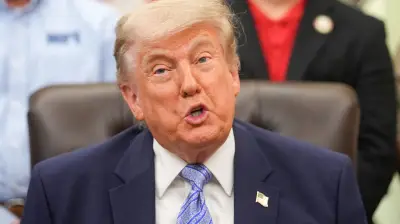
Despite his threats, Trump's specific objectives for Iran remain ambiguous. He has vacillated between demanding regime change and claiming the regime has already shifted, while also insisting Iran cannot possess nuclear weapons despite asserting their program was "obliterated" in previous attacks. At a White House news conference, Trump defended potential civilian harm, claiming intercepted communications show Iranians pleading for continued bombing to achieve freedom, a statement met with skepticism by analysts.
Trump further complicated matters by expressing nostalgia for historical "pillaging," a war crime under the Geneva Conventions, and musing about seizing Iran's oil resources. He remarked, "To the victor, go the spoils," lamenting that such practices are no longer common. When questioned about his plans to conclude the war, Trump remained evasive, stating, "I have the best plan of all, but I'm not going to tell you what my plan is," and admitted uncertainty about whether he aims to de-escalate or intensify the conflict.
Regional and Global Implications
The potential for Iran to target oil production and distribution facilities in the Gulf could further destabilize global energy markets, impacting economies worldwide. Additionally, the Houthis' past attacks on commercial shipping in the Red Sea, in retaliation for conflicts in Gaza, demonstrate the region's vulnerability to disruptions that could affect international trade.

As the deadline approaches, the situation remains volatile, with Trump not ruling out a ground assault despite lacking the necessary forces for such an operation. The international community watches closely, concerned about the escalating risks to civilian lives and global stability.