Trump's Marathon State of the Union Address Sets New Record
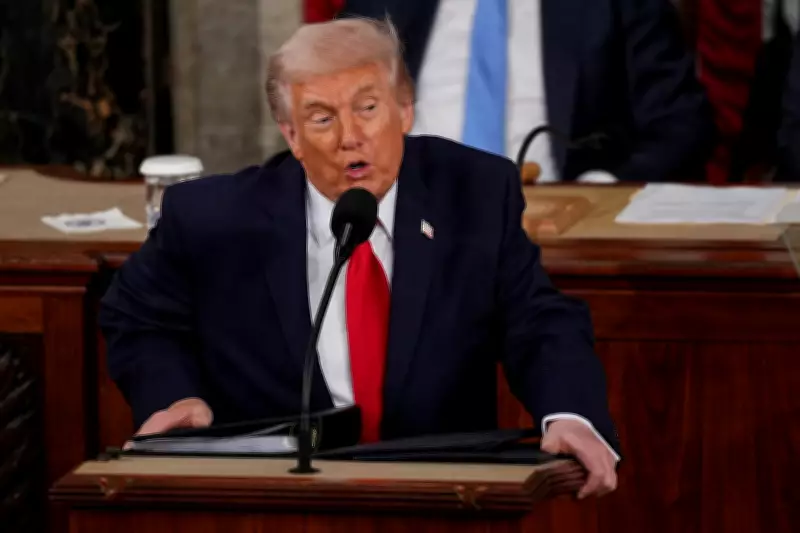
In a historic moment on February 24, 2026, former President Donald Trump delivered what has been confirmed as the longest State of the Union address ever given. The speech, which extended well beyond traditional timeframes, was marked by both triumphant declarations and contentious exchanges with political opponents.
Contentious Moments Define the Evening
The atmosphere grew particularly heated when Trump asserted that his administration had "ended eight wars," a claim that prompted audible laughter from Democratic members of Congress. The former president responded sharply, labeling those who laughed as "sick people" who failed to appreciate national security achievements.
Further tension arose when Trump addressed immigration policy, speaking out against what he termed "illegal aliens." Democratic hecklers interrupted this portion of the speech, creating one of several dramatic confrontations during the lengthy address.

Targeting Political Opponents and Institutions
Trump took direct aim at former House Speaker Nancy Pelosi, asking pointedly "Did Nancy Pelosi stand up?" after discussing congressional insider trading concerns. This rhetorical question highlighted ongoing tensions between the former president and his political adversaries.
The address also included criticism of the U.S. Supreme Court, with Trump describing a recent ruling on tariffs as "very unfortunate." This commentary on judicial decisions reflected his continued willingness to challenge established institutions.
Celebratory Moments Amid Political Theater
Not all moments were confrontational. Trump welcomed the U.S. men's Olympic gold-medal winning hockey team to the event, celebrating their athletic achievement. This patriotic interlude provided temporary relief from the political tensions that dominated much of the evening.
The Broader Political Context
Analysts suggest Trump used this extended platform to reinforce his political narrative ahead of upcoming elections, repeatedly emphasizing that under his leadership, America was "winning so much." The record-length speech allowed for comprehensive coverage of his policy positions and political grievances.
Democratic responses varied from vocal interruptions to strategic silence during certain portions, reflecting the deep partisan divisions that continue to characterize American politics. The event underscored how State of the Union addresses have evolved into both policy presentations and political theater.
As the longest such speech in American history concludes, political observers are analyzing how this marathon address might influence public opinion and shape the political landscape in the coming election cycle.