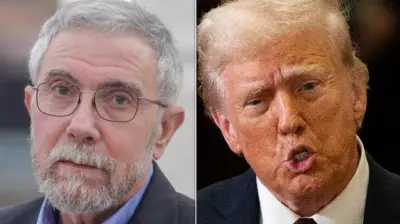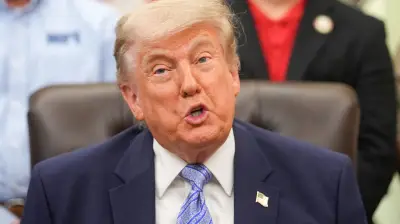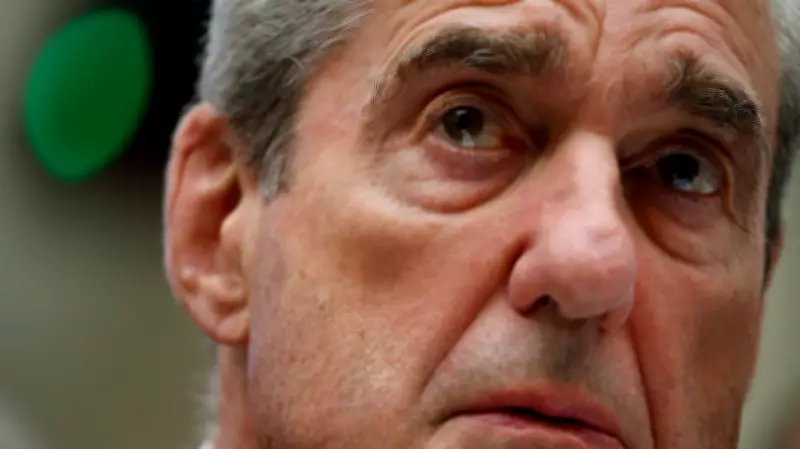
Former President Donald Trump issued a predictably heartless response to the death of Robert Mueller, the former FBI director and special prosecutor, who passed away on Saturday at the age of 81. In a post on Truth Social, Trump wrote, "Robert Mueller just died. Good, I'm glad he's dead. He can no longer hurt innocent people!" This statement has ignited widespread criticism and debate over political decorum and respect for the deceased.
Mueller's Role in the Russia Investigation
Robert Mueller served as the special counsel overseeing the investigation into Russian interference in the 2016 presidential election. His work made him a frequent target for Trump and his MAGA supporters, who viewed the probe as politically motivated. Last August, Mueller's family revealed that he had been diagnosed with Parkinson's disease in 2021, adding a personal dimension to his later years.
Key Findings and Controversies
Mueller's investigation uncovered numerous contacts between the Trump campaign and the Russian government during the 2016 election. However, he declined to charge Trump with obstruction of justice, citing that while there was sufficient evidence, he was prohibited from doing so because Trump was the sitting president at the time. Despite this outcome, Trump spent years attacking Mueller, often claiming the investigation was a "witch hunt" that unfairly targeted him.

Trump's Continued Political Attacks
Less than an hour after expressing glee at Mueller's death, Trump returned to his usual political rhetoric on Truth Social. In another post, he stated, "The Fascist Democrats will never protect America, but the Republicans will," while threatening to deploy Immigration and Customs Enforcement officers to patrol airports across the United States. This shift highlights Trump's ongoing focus on immigration and partisan divisions, even in the wake of a significant event.
Broader Implications and Reactions
The response to Trump's comments has been mixed, with critics condemning the lack of empathy and supporters defending his right to free speech. Mueller's death marks the end of a chapter in American political history, but the legacy of his investigation continues to influence discussions on election integrity and presidential accountability. As the nation reflects on Mueller's contributions, the controversy underscores the deep polarization in contemporary politics.