Turks Living Adjacent to NATO Installation Express Divergent Views on Military Expenditures
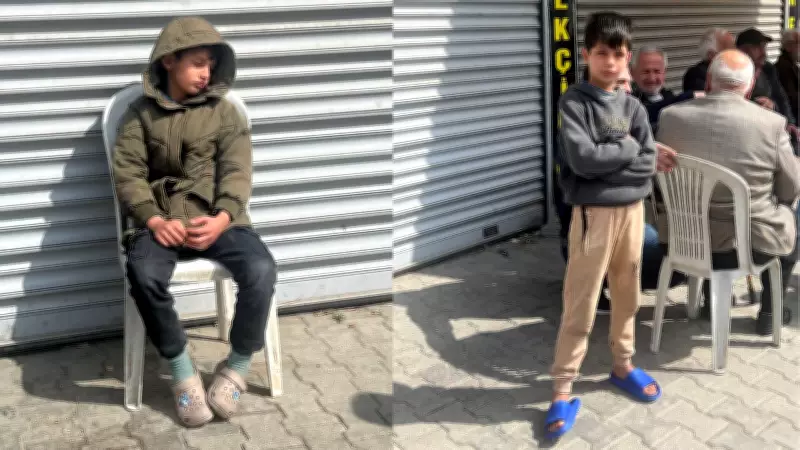
In the city of Adana, Turkey, a community residing in close proximity to a significant NATO military base finds itself deeply divided over the allocation of financial resources toward warfare. This internal conflict emerges against a backdrop of escalating hostilities across the Middle East, where the sounds of air raid sirens, the solemnity of Ramadan prayers, and the fervor of public protests have become a distressing weekly reality.
A Community Grappling with the Costs of Conflict
The question, "Why are we spending this money on war?" echoes through the neighborhoods, capturing the frustration and anxiety of many locals. As reported by journalist Adrian Ghobrial, the area has become a microcosm of the broader regional turmoil, with residents experiencing firsthand the tangible impacts of military operations and geopolitical strife.
For some inhabitants, the NATO presence is viewed as a necessary deterrent and a source of economic stability, providing jobs and security in an increasingly volatile region. They argue that the expenditures are justified to protect national interests and maintain alliances in a time of heightened global tension.

Voices of Dissent and Concern
Conversely, a vocal segment of the population expresses profound discontent, questioning the prioritization of military funding over pressing domestic needs such as healthcare, education, and infrastructure. "The constant hum of aircraft and the occasional wail of sirens remind us that peace is fragile," one resident lamented, highlighting the psychological toll of living in a conflict zone.
Protests have occasionally erupted, with demonstrators calling for a reallocation of resources toward humanitarian aid and diplomatic solutions. These gatherings often coincide with Ramadan, adding a layer of spiritual reflection to the political discourse, as communities pray for peace amidst the chaos.
The Broader Context of Regional Escalation
The division in Adana mirrors wider sentiments across Turkey and the Middle East, where the war in Iran and other conflicts have far-reaching consequences. Issues such as rising oil prices, potential terrorism threats, and disruptions to daily life are at the forefront of public concern, influencing opinions on military spending.
As the situation continues to evolve, the residents of Adana remain caught between the imperatives of national defense and the desire for a peaceful, prosperous future. Their divided stance underscores the complex human dimensions of war, where strategic calculations often clash with personal and community well-being.