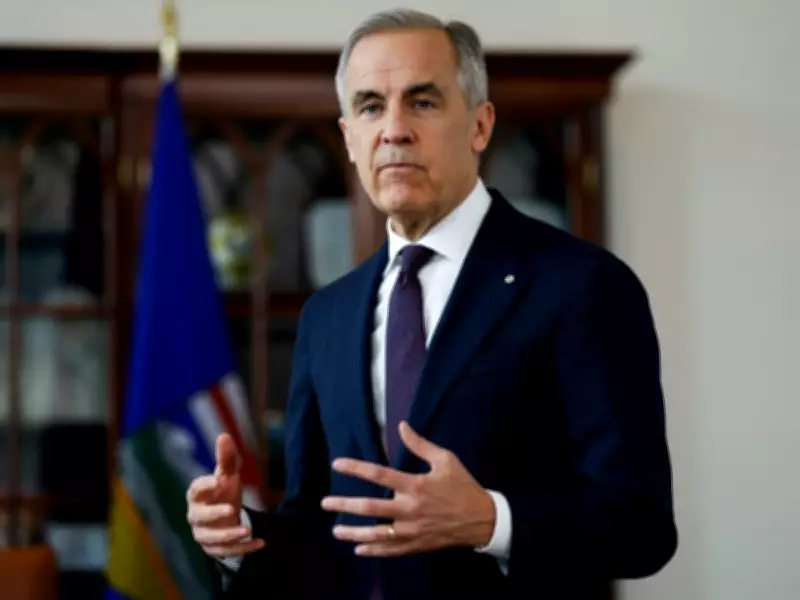
Prime Minister Mark Carney is waiting for a report on the future expansion of medical assistance in dying (MAID) to include mental illness, as the government deals with the unintended consequences of radical policies enacted under former Prime Minister Justin Trudeau.
Background on Radical Policies
When Trudeau swept to power in 2015, he introduced progressive policies that sounded impressive but were not fully thought through. One such policy was the legalization and regulation of marijuana. While voters supported the idea of eliminating criminal records for recreational use, the result has been weed shops on every block, the pervasive smell of marijuana, and insufficient oversight of impaired driving.
Medical Assistance in Dying
Similarly, the Liberal government passed legislation in 2016 allowing MAID for those with a foreseeable death. Originally intended for terminal physical illnesses, it sparked debate over whether restricting MAID to physical conditions is unconstitutional. In 2024, the government delayed extending eligibility to mental illness until March 2027, pending consultation with provinces and a parliamentary committee report.

Last week, Carney stated he would wait for that report before making a decision, remaining neutral on MAID until then. In contrast, the British House of Lords recently stalled a similar bill, possibly influenced by Canada's complex experience.
Societal Implications
These laws affect not only individuals seeking to end their lives but also healthcare workers and society's values. The issue transcends religion, prompting a collective examination of humanity and the kind of society we aspire to be.
Physicians are urging the government to rethink MAID criteria expansion, and Canadians remain divided on whether doctors and nurses should be allowed to opt out of the program.