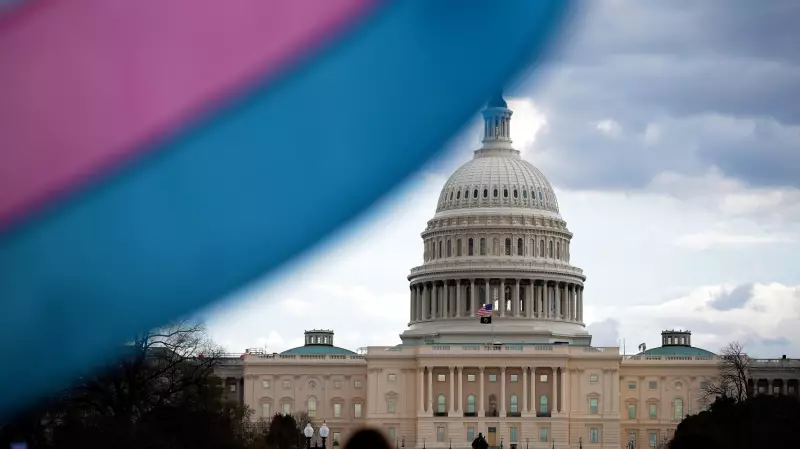
A major legal challenge has been launched against the Trump administration over a new policy that strips coverage for gender-affirming medical care from federal health insurance plans. The complaint, filed on Thursday, marks a significant escalation in the battle over transgender rights within the U.S. government workforce.
Legal Action Targets New Insurance Exclusion
The complaint was filed with the U.S. Equal Employment Opportunity Commission by the Human Rights Campaign on behalf of a group of federal employees. It directly challenges a directive from the Office of Personnel Management (OPM) announced in August. That directive states that, effective Thursday, federal health insurance programs will no longer cover "chemical and surgical modification of an individual’s sex traits through medical interventions."
This change impacts millions of workers and their families enrolled in plans for federal employees and U.S. Postal Service personnel. The legal filing argues that denying this essential medical care constitutes illegal sex-based discrimination. It formally requests that OPM rescind the controversial policy immediately.

Workers and Families Speak Out
The complaint includes powerful testimonies from four current federal workers whose lives will be directly affected. These employees work at the State Department, the Department of Health and Human Services, and the Postal Service. They are bringing the claim forward for themselves and on behalf of a broader class of similarly situated colleagues across the government.
One poignant example cited is that of a U.S. Postal Service employee. This worker has a daughter diagnosed with gender dysphoria. Her doctors have recommended treatment with puberty blockers and potentially hormone replacement therapy. Under the new OPM rules, this medically necessary care would no longer be covered by the family's federal insurance plan, creating a significant financial and emotional burden.
Kelley Robinson, President of the Human Rights Campaign Foundation, condemned the policy's intent. "This policy is not about cost or care — it is about driving transgender people and people with transgender spouses, children, and dependents out of the federal workforce," Robinson stated.
Part of a Broader Pattern of Restrictions
This insurance change is not an isolated action. The Trump administration has pursued several initiatives to restrict access to gender-affirming care, particularly for transgender youth. In December, the Department of Health and Human Services released proposals that would block such care for minors.
One proposed measure would bar Medicare and Medicaid funding from hospitals that provide gender-affirming treatments to children. Senior officials, including Health and Human Services Secretary Robert F. Kennedy Jr., have publicly labeled this care as "malpractice" for minors.
These political moves stand in stark contrast to the established positions of leading medical authorities. Both the American Medical Association and the American Academy of Pediatrics support access to age-appropriate, medically necessary gender-affirming care, recognizing it as vital to the health and well-being of transgender individuals.
The outcome of this legal complaint could set a critical precedent for the rights of transgender employees and their families within the U.S. public sector and beyond.