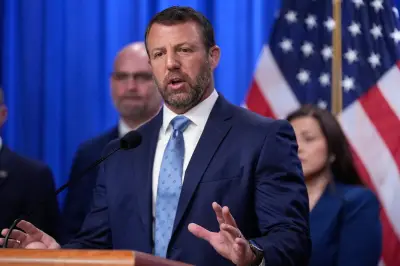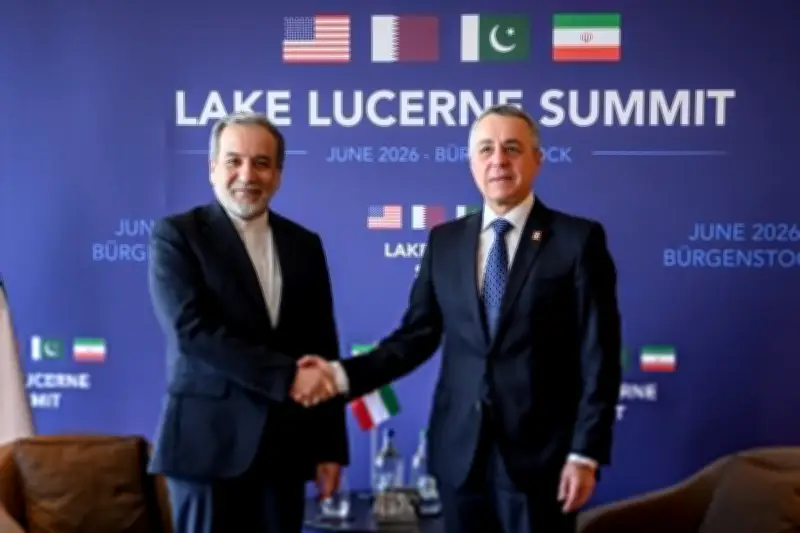
U.S. Vice President JD Vance and senior Iranian officials arrived in Switzerland on Sunday to formally launch negotiations over Tehran’s nuclear program. The talks are expected to continue through the night after President Donald Trump shook the process with threats, according to sources familiar with the discussions.
Negotiations Underway in Switzerland
The high-stakes meeting marks the first direct U.S.-Iran negotiations since the Trump administration withdrew from the 2015 nuclear deal in 2018. Vance, leading the American delegation, met with Iranian Foreign Minister Abbas Araghchi at a neutral venue near Geneva. The talks were initially scheduled for two days but may extend as both sides seek common ground.
President Trump, speaking to reporters before departing for a campaign rally, warned that Iran must abandon its nuclear ambitions or face severe consequences. “They have a choice: make a deal or we will make it very difficult for them,” Trump said. His remarks, made just hours before the talks began, injected uncertainty into the proceedings.

Details of the Negotiations
The discussions focus on Iran’s enrichment of uranium to near weapons-grade levels, which the International Atomic Energy Agency (IAEA) reported has reached 60% purity. Iran insists its program is peaceful, but Western nations fear it could produce a nuclear weapon within weeks.
Vance and Araghchi held a private dinner Sunday evening before formal talks resumed. A senior U.S. official, speaking on condition of anonymity, said the administration is seeking a verifiable agreement that caps enrichment and allows for snapback sanctions if Iran violates terms.
“We are here to negotiate in good faith, but the window for diplomacy is not infinite,” the official said. “Iran must demonstrate it is serious about transparency.”
Impact of Trump’s Threats
Trump’s threats have complicated the talks, with Iranian negotiators expressing frustration. Araghchi told state media earlier Sunday that “threats and pressure do not work” and that Iran expects respect for its sovereignty. The negotiations are a test of whether the two sides can overcome years of mistrust.
Analysts say the stakes are high. A failure could trigger a military confrontation or a regional nuclear arms race. The talks are also being watched by U.S. allies in Europe and the Middle East, who have urged restraint.