U.S.-Iran Tensions Escalate as Jailed Journalist's Fate Hangs in Balance
The United States and Iran are on the brink of a potential military confrontation, with the Trump administration deploying significant military assets around the Middle Eastern nation. Many officials and analysts now view an American strike as likely within weeks, which could trigger a sharp Iranian retaliation and spiral into a devastating conflict. While diplomacy offers the best path to avert such an outcome, its prospects appear exceedingly slim. Central to this impasse is the plight of Reza Valizadeh, an ailing Iranian-American journalist imprisoned in Iran's notorious Evin prison, whose situation underscores the deep-seated issues hindering negotiations.
The Case of Reza Valizadeh
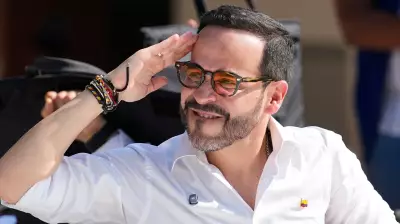
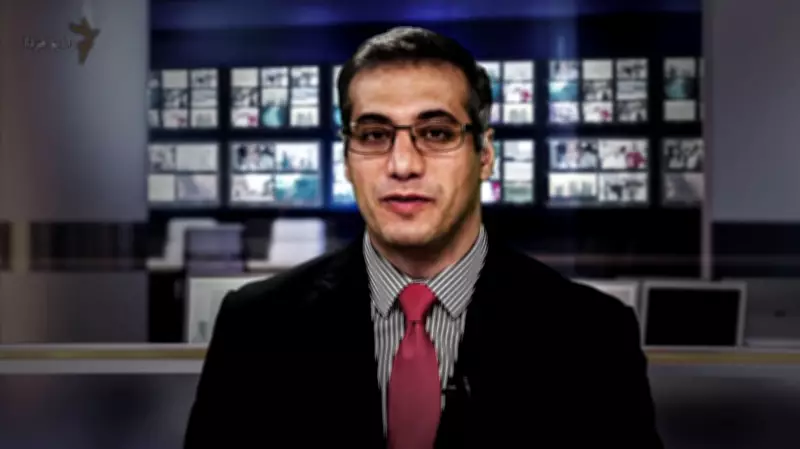
Reza Valizadeh, a journalist detained by Iranian authorities over his ties to the U.S. and reporting work, was designated as "wrongfully detained" by the U.S. State Department in May 2025. This status grants him "special consideration" and access to government resources aimed at securing his freedom, according to a GOP congressional aide. It also aligns with President Donald Trump's personal commitment to bringing Americans home and Washington's broader stance against Iranian repression. The aide emphasized the administration's focus on this issue, noting Trump's record of freeing approximately 150 Americans held abroad.
However, the State Department, in a statement to HuffPost, demanded Valizadeh's release and that of all others unjustly detained in Iran, criticizing the Iranian regime's history of such actions. Despite this, scenarios for his release seem highly improbable, partly due to the Trump administration's dual approach of negotiating with Tehran while applying military and economic pressure, including direct attacks last summer, to curb Iran's nuclear program, missile capabilities, and regional influence.

Diplomatic Challenges and Prisoner Exchanges
Historically, prisoner exchanges between the U.S. and Iran have helped reduce tensions, but current dynamics suggest a different path. Ryan Fayhee, Valizadeh's U.S. attorney, doubts that a swap is under consideration. Instead, he believes Iran might release Valizadeh and other U.S. citizens to improve its regional standing and refocus discussions on issues it prioritizes. Iran currently holds at least four Iranian-Americans, including two septuagenarians, which Fayhee argues damages its international image. Notably, Tehran does not appear to be pressing for the release of its citizens held in the U.S.
Fayhee expressed optimism about renewed communications between the two countries, but a goodwill gesture from Iran seems unlikely amid conflicting messages from Trump. The president recently hinted at a limited attack on Iran as a negotiating tactic, yet regional diplomats warn that even a modest strike could cause Iran to abandon talks. Iranian leaders, recovering from domestic protests, are reluctant to appear weak or make major concessions, while the U.S. demands sweeping restrictions perceived as capitulation.
Strategic Calculations and Escalating Risks
Some analysts, like Vali Nasr of Johns Hopkins University, suggest that Iran's leadership may see outright conflict as strategically preferable to de-escalation, such as freeing detainees. They believe Tehran might calculate that prolonged warfare could force the U.S. to seek a more favorable negotiated outcome. This perspective, while potentially miscalculated, reflects the deep gaps in positions between the two sides. Recent talks in Switzerland yielded little progress, with a U.S. official noting that Iran promised to return with detailed proposals in the coming weeks.
Critics argue that the Trump administration has neglected the issue of American hostages in Iran. Ali Vaez of the International Crisis Group pointed out that the administration has not raised the case of detainees in negotiations, hoping it becomes integral to any deal rather than an afterthought. The regional official emphasized focusing talks narrowly on Iran's nuclear program, akin to the previous agreement that Trump undermined despite Iranian compliance.

Historical Context and Current Impasse
Iran's distrust is compounded by past agreements. In September 2023, the Biden administration allowed Iran to access $6 billion in frozen oil revenue as part of a prisoner exchange, only to re-freeze the funds after Hamas attacks on Israel in October 2023. Iranian officials raised this issue in talks with the Trump administration, highlighting concerns over U.S. reliability rather than the amount itself. Trump's decision not to release the funds reflects the political toxicity in Washington regarding the Biden-era deal, which many viewed as punishment for the Hamas attacks.
With both sides "talking past each other," discussions have faltered, increasing the risk of conflict. The former U.S. official recalled Trump's negotiations before the U.S.-joined Israeli offensive last year, noting the unpredictability of U.S. actions.
Valizadeh's Harsh Imprisonment and Vulnerability
Reza Valizadeh, now 50, has endured 18 months of harsh conditions in Evin prison. Arrested in September 2024 while visiting his parents in Iran, he was held in solitary confinement and interrogated for over two months about his work for Radio Farda, a U.S.-funded Persian news outlet. After brief hearings where the judge acted as prosecutor, his appeal was rejected in January 2025. His attorney was barred from representing him, according to a report by Fayhee for U.N. experts.
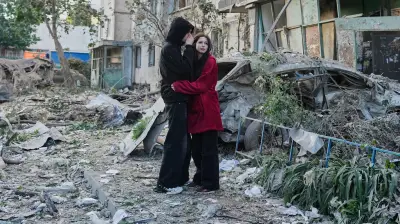
War has exacerbated his suffering. During U.S.-Israeli bombings last summer, an Israeli strike on Evin prison, considered a war crime, killed and injured civilians. Valizadeh was near an explosion, faced gunfire from guards, and suffered worsened asthma from smoke, briefly transferring to another prison with contaminated food and greater isolation. His health issues, including lack of medication for throat, dental, and gastrointestinal problems, make him particularly vulnerable if conflict erupts.
Broader Implications for Americans
The safety of detained Americans like Valizadeh is a critical factor as Trump considers military action, which could endanger tens of thousands of U.S. citizens across the Middle East. The GOP aide highlighted the protection of American citizens as a sacred priority, especially regarding Evin prison. However, the Trump administration's policies, including sanctions that have impoverished Iranians and travel bans, complicate its human rights stance. The State Department reiterates warnings against travel to Iran, but for Valizadeh, leaving is not an option.
As tensions mount, the fate of Reza Valizadeh symbolizes the broader diplomatic failures and human costs at stake. With military buildup and stalled negotiations, the path to peace remains fraught with uncertainty, putting lives in the balance.