The U.S. State Department has officially designated Brazil's two largest drug trafficking organizations as foreign terrorist groups, marking a significant escalation in the fight against transnational organized crime. The announcement, made public on May 28, 2026, identifies the Primeiro Comando da Capital (PCC) and the Comando Vermelho (CV) as entities posing a threat to international security.
Background of the Designation
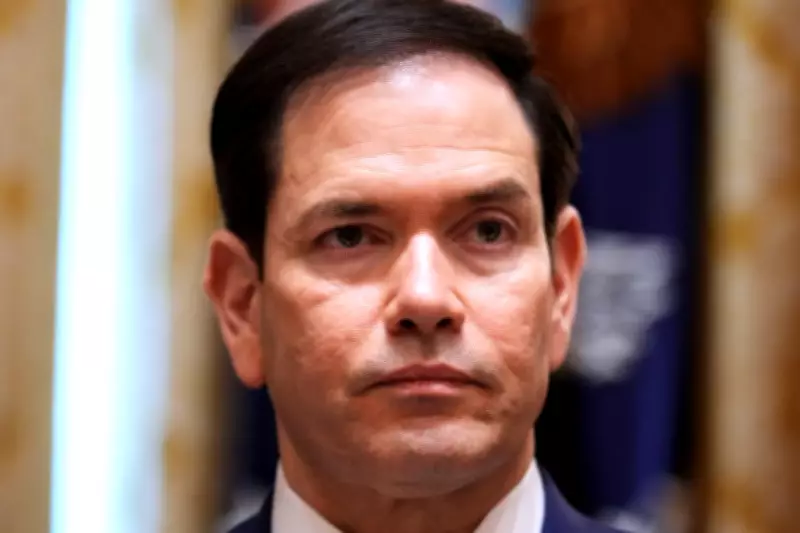
Secretary of State Marco Rubio confirmed the decision, which follows months of deliberation and coordination with Brazilian authorities. The move allows the U.S. to impose stricter sanctions, freeze assets, and prosecute individuals associated with these groups. The PCC and CV are among the most powerful criminal syndicates in Latin America, controlling vast drug trafficking networks and engaging in violent activities.
Implications for International Security
This designation is expected to enhance cooperation between U.S. and Brazilian law enforcement agencies. It also signals a tougher stance on organized crime that often operates across borders. The State Department emphasized that these groups have been responsible for thousands of deaths and widespread corruption in Brazil and beyond.

Brazilian officials have welcomed the move, though some express concerns about potential sovereignty issues. The designation may also impact diplomatic relations, as it aligns with broader U.S. efforts to combat drug trafficking and violence in the region.
Reactions and Next Steps
Human rights organizations have raised alarms about the potential for increased militarization of law enforcement. However, proponents argue that the terrorist label will provide necessary tools to dismantle these networks. The U.S. Treasury is expected to issue further sanctions in the coming weeks, targeting key leaders and financial fronts of both organizations.
This development comes amid a surge in drug-related violence in Brazil, where the PCC and CV have been vying for control of smuggling routes. The State Department's action is part of a broader strategy to address the flow of illicit drugs and arms across the Americas.