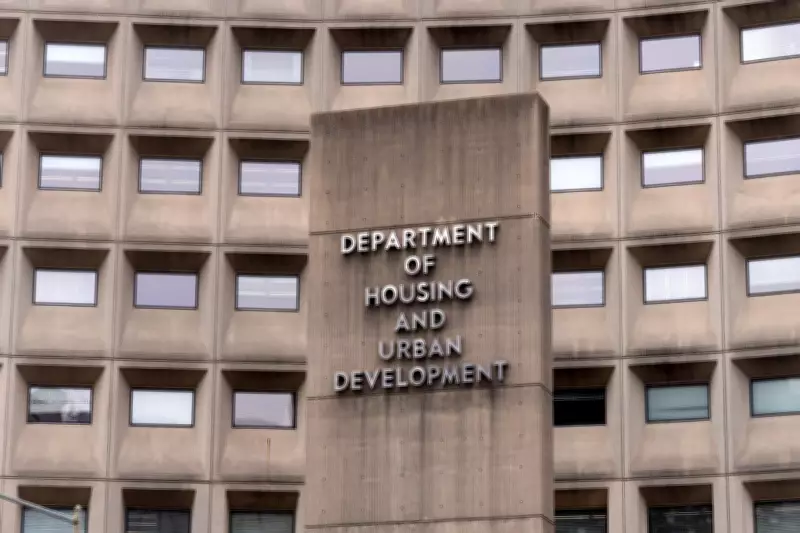
U.S. Housing Department Proposes Rule to Exclude Noncitizens from Public Housing
The U.S. Department of Housing and Urban Development (HUD) has put forward a controversial new rule that would effectively bar noncitizens from accessing public housing assistance. This proposal, announced in February 2026, marks a significant shift in federal housing policy and has ignited intense discussions about immigration, social welfare, and the rights of residents.
Details of the Proposed Regulation
The rule, as outlined by HUD, would mandate that individuals seeking public housing must provide proof of U.S. citizenship or eligible immigration status. Under the current system, noncitizens with legal residency or certain visas have been able to qualify for housing support, but this change would tighten those requirements substantially.
Advocates for the rule argue that it aims to prioritize American citizens in the allocation of limited public housing resources. They contend that with housing shortages affecting many urban areas, federal assistance should be reserved for those with full citizenship status.

Potential Impacts and Reactions
Critics of the proposal warn that it could lead to increased homelessness and housing instability among immigrant communities. Many noncitizens, including legal permanent residents and refugees, rely on public housing as a critical safety net. Excluding them could exacerbate social inequalities and strain local support systems.
Housing advocates have expressed concern that the rule might disproportionately affect vulnerable populations, such as families with children or elderly immigrants. They emphasize that public housing serves as a foundational element of community stability and that restricting access based on citizenship could have far-reaching consequences.
Broader Context and Implementation
This proposal aligns with broader federal efforts to reassess immigration-related benefits. It reflects ongoing debates about the role of government in supporting noncitizens and the balance between national interests and humanitarian considerations.
If implemented, the rule would require HUD to update its verification processes and could lead to legal challenges. Stakeholders, including housing authorities and immigrant rights organizations, are expected to engage in public commentary periods to voice their positions before any final decision is made.
The outcome of this proposal will likely influence future policies on housing and immigration, highlighting the interconnected nature of social services and citizenship in the United States.