U.S. Government Shutdown Deadlock Deepens Amid DHS Oversight Dispute
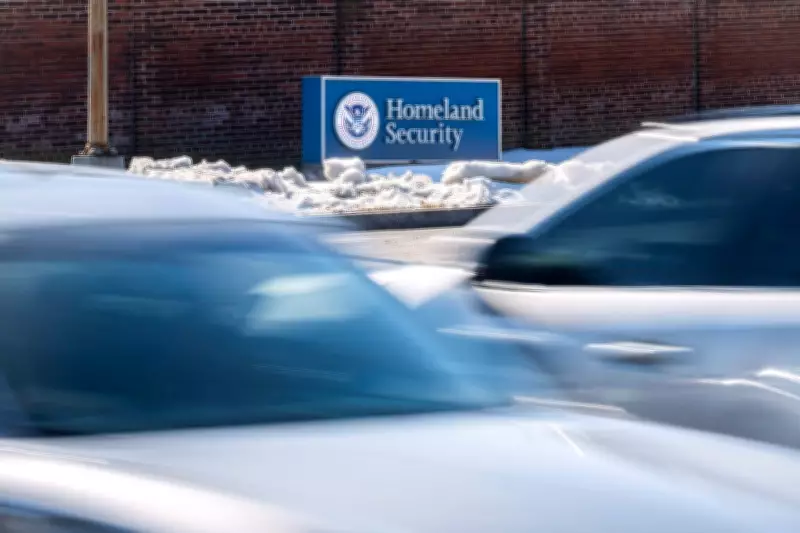
As the partial U.S. government shutdown extends, lawmakers show no signs of compromise, with the central conflict revolving around oversight of the Department of Homeland Security. The political impasse has left federal agencies in limbo, affecting operations and raising concerns about national security and public services.
Roots of the Political Standoff
The shutdown, which began earlier this month, stems from a fundamental disagreement between congressional factions over the extent of legislative scrutiny applied to the Department of Homeland Security. Proponents of increased oversight argue that enhanced transparency is necessary to ensure accountability and prevent potential abuses of power within the agency. Opponents, however, contend that such measures could hamper the DHS's ability to respond swiftly to emerging threats and operational challenges.
Key lawmakers have dug in their heels, with both sides presenting firm positions that have stalled negotiations. The Department of Homeland Security, responsible for critical functions including border security, emergency management, and cybersecurity, has become a focal point in the broader debate about executive authority and congressional checks and balances.

Impact on Government Operations and Public Services
The partial shutdown has led to significant disruptions across various federal departments, with non-essential employees furloughed and essential services operating under strained conditions. Airport security personnel, including TSA agents, are among those working without pay, highlighting the human toll of the political deadlock. Additionally, delays in funding have affected programs related to immigration enforcement, disaster preparedness, and counterterrorism efforts, though core security operations continue.
Public frustration is mounting as the shutdown drags on, with citizens expressing concerns over the stability of government institutions and the ability of elected officials to govern effectively. The stalemate also comes at a time of heightened global tensions, raising questions about the United States' capacity to address external threats while grappling with internal political divisions.
Broader Implications for U.S. Politics and Governance
This shutdown underscores a recurring pattern of legislative gridlock in Washington, where partisan disputes often lead to funding lapses and operational disruptions. The focus on DHS oversight reflects deeper ideological divides regarding the role of government in national security and the balance of power between branches.
As negotiations remain at an impasse, analysts warn that prolonged shutdowns can erode public trust, damage economic stability, and weaken the United States' position on the international stage. The situation also draws attention to the challenges of governing in a polarized political environment, where compromise is increasingly elusive.
With no clear path forward, the shutdown's resolution hinges on whether lawmakers can bridge their differences or if external pressures, such as public outcry or economic consequences, force a breakthrough. For now, the Department of Homeland Security remains at the center of a contentious debate that shows little sign of abating.