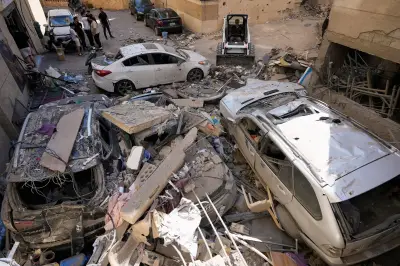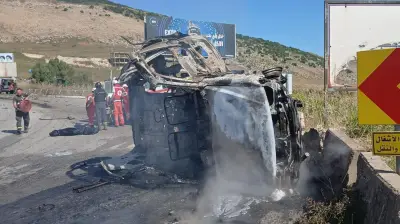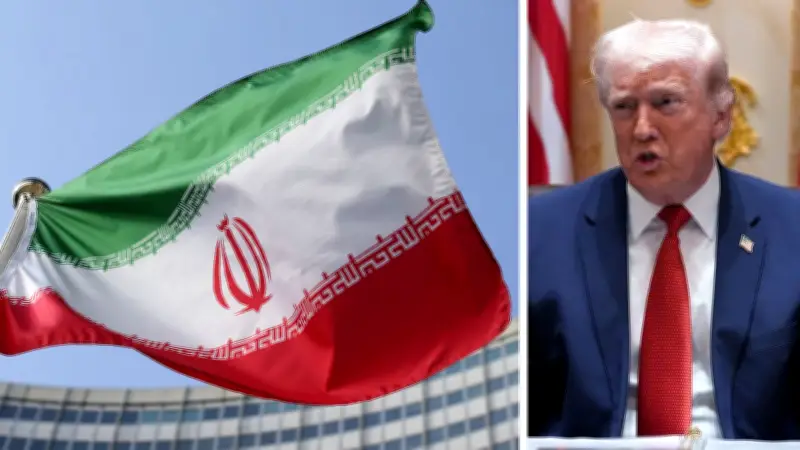
The United States launched a second day of airstrikes on Iran, escalating military action in the Middle East. In response, Iran fired back at Gulf States and Jordan, widening the conflict. The developments come after a downed US helicopter near the Strait of Hormuz, with retired Maj.-Gen. Denis Thompson warning that the conflict with Iran is far from over.
Escalating Military Actions
The US strikes targeted Iranian military installations, according to reports. Iran retaliated by launching missiles at neighboring countries, including Gulf States and Jordan, causing heightened regional instability. The US has not commented on the specifics of the targets, but officials indicate the operations aim to degrade Iranian military capabilities.
Regional Reactions
Gulf States and Jordan have condemned the Iranian attacks, calling for restraint. Meanwhile, international observers express concern over the potential for a broader conflict. The UK, Australia, and Canada have launched a $4 million fund for Israeli-Palestinian peace efforts, highlighting the fragile regional climate.

Broader Implications
The conflict has drawn attention to energy markets, with the UAE's state energy giant eyeing Canadian LNG. Additionally, the US and Canada are engaged in trade negotiations, with former President Trump criticizing the North American trade deal. The situation remains fluid, with diplomatic efforts underway to de-escalate tensions.